14 Small Living Room Designs to Make Your Space Look Bigger
Living room designs for small spaces can transform cramped areas into airy, inviting havens. Whether you’re dealing with a tiny apartment or a compact home, the key is to focus on illusions of depth, smart storage, and efficient layouts. By incorporating elements like light colors, strategic furniture placement, and visual tricks, you can make your living room feel expansive without knocking down walls. This guide explores 14 practical and stylish ideas drawn from expert tips, ensuring your space not only looks bigger but functions better too. Let’s dive into these innovative approaches to maximize every square inch.
1. Embrace Multifunctional Furniture
In living room designs for small spaces, multifunctional furniture is a game-changer. Opt for pieces like sofa beds, ottomans with hidden storage, or coffee tables that double as desks. These items reduce clutter by serving multiple purposes, allowing you to maintain an open floor plan. For instance, a sectional with built-in drawers can store blankets or remotes, freeing up valuable surface area. Position them centrally to create flow, and choose slim profiles to avoid overwhelming the room. This approach not only saves space but enhances versatility for entertaining or relaxing.
2. Opt for a Light Color Palette
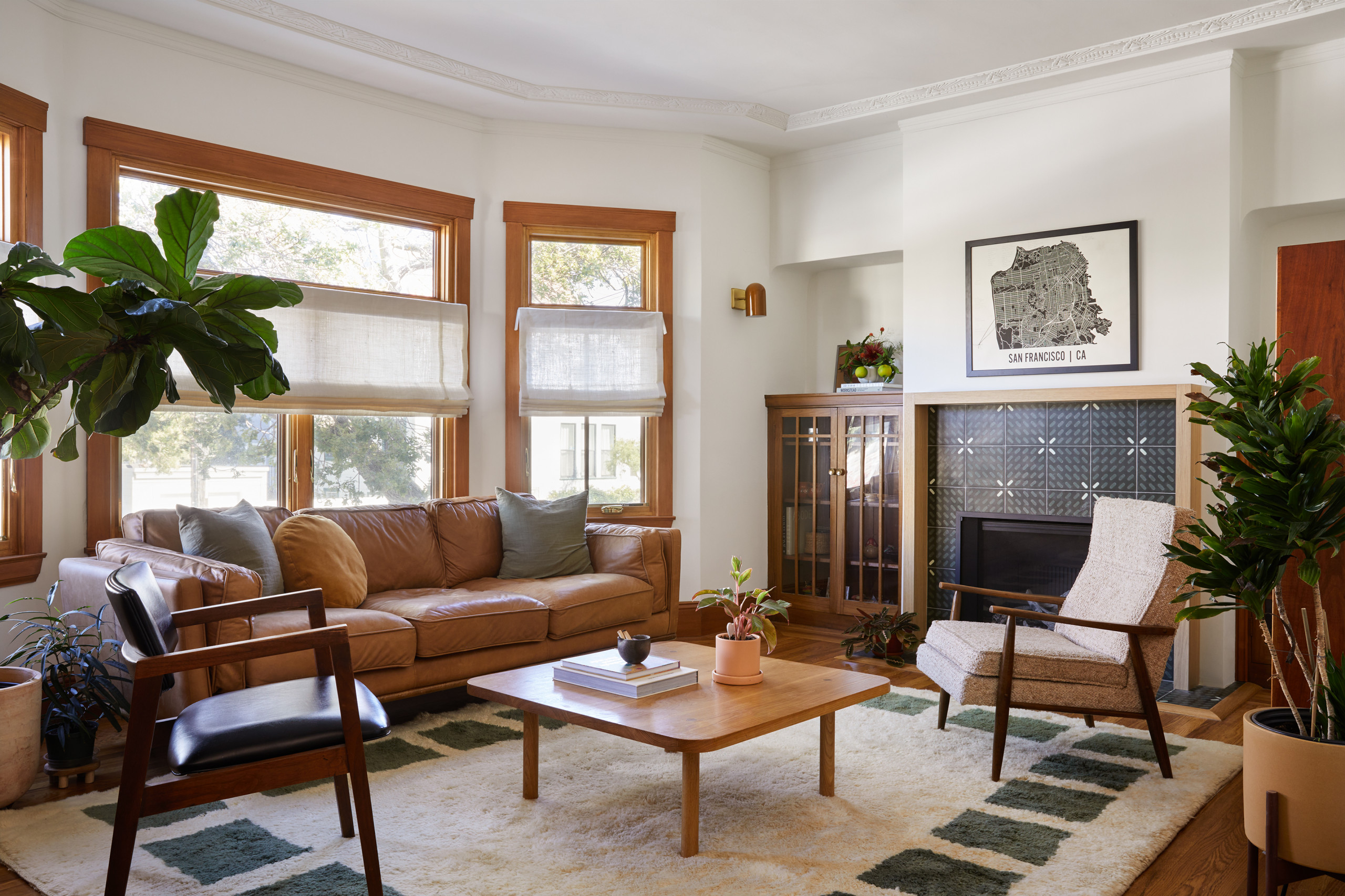
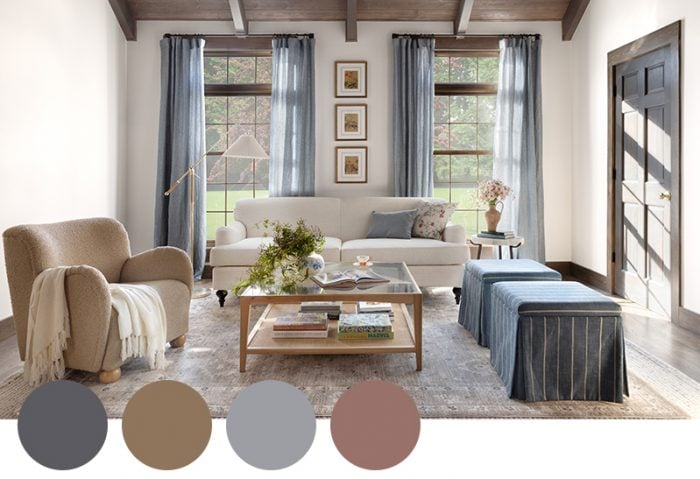
A light color palette is essential in living room designs for small spaces to amplify natural light and create an illusion of openness. Paint walls in soft whites, pale grays, or creamy beiges to reflect light and blur boundaries. Extend this to furniture and rugs for a cohesive look—think light-toned sofas paired with sheer curtains. Avoid dark accents that absorb light; instead, use subtle pastels for pops of color. This technique, often recommended by designers, makes ceilings appear higher and walls recede, turning a snug area into a bright, expansive retreat.
3. Incorporate Mirrors Strategically
Mirrors are a classic trick in living room designs for small spaces, reflecting light and doubling visual depth. Place a large mirror opposite a window to bounce sunlight around, or use a mirrored accent wall for added dimension. Floor-to-ceiling options elongate the room, while grouped smaller mirrors create artistic focal points. Avoid overdoing it to prevent a cluttered feel; one statement piece often suffices. This method not only brightens dim corners but tricks the eye into perceiving more square footage, as noted in various interior guides.

4. Utilize Vertical Storage Solutions
Vertical storage maximizes height in living room designs for small spaces, keeping floors clear for better flow. Install tall bookshelves or cabinets that reach the ceiling, storing books, decor, and essentials upward. Ladder shelves or over-door organizers add functionality without footprint. Paint them to match walls for a seamless blend, reducing visual bulk. This draws eyes upward, making rooms feel taller and less confined. Experts suggest combining open and closed storage to balance display and concealment, ideal for urban dwellers.
5. Add Floating Shelves
Floating shelves offer sleek storage in living room designs for small spaces, eliminating bulky furniture bases. Mount them above sofas or TVs for displaying plants, art, or books without crowding surfaces. Stagger heights for dynamic interest, and keep items minimal to avoid chaos. White or wood tones blend with walls, creating an airy vibe. This design frees floor space, enhances wall utilization, and adds a modern touch. As per home decor trends, they’re perfect for renters since they’re easy to install and remove.
6. Adopt a Minimalist Approach
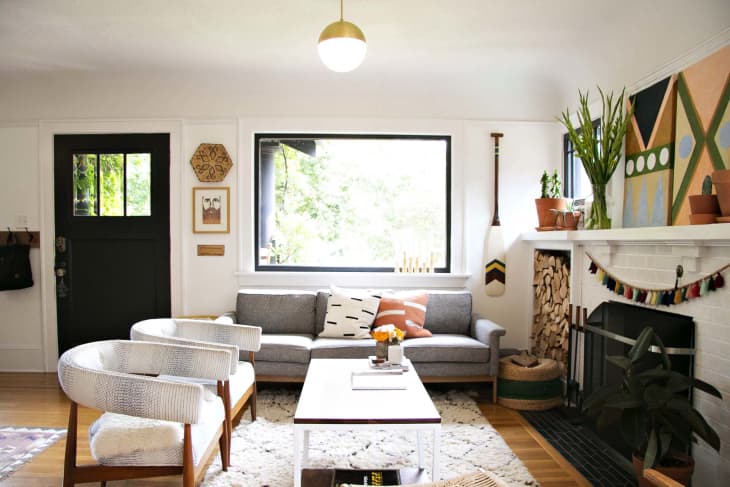
Minimalism shines in living room designs for small spaces by emphasizing quality over quantity. Select a few essential pieces—like a streamlined sofa and side table—and declutter ruthlessly. Neutral tones and clean lines prevent visual overload, fostering serenity. Incorporate hidden storage to tuck away items, maintaining openness. This style, popular in compact homes, promotes mindfulness and space efficiency. Designers advocate for multifunctional minimalism, where each item serves a purpose, resulting in a calm, expansive atmosphere.
7. Make the Most of Corners
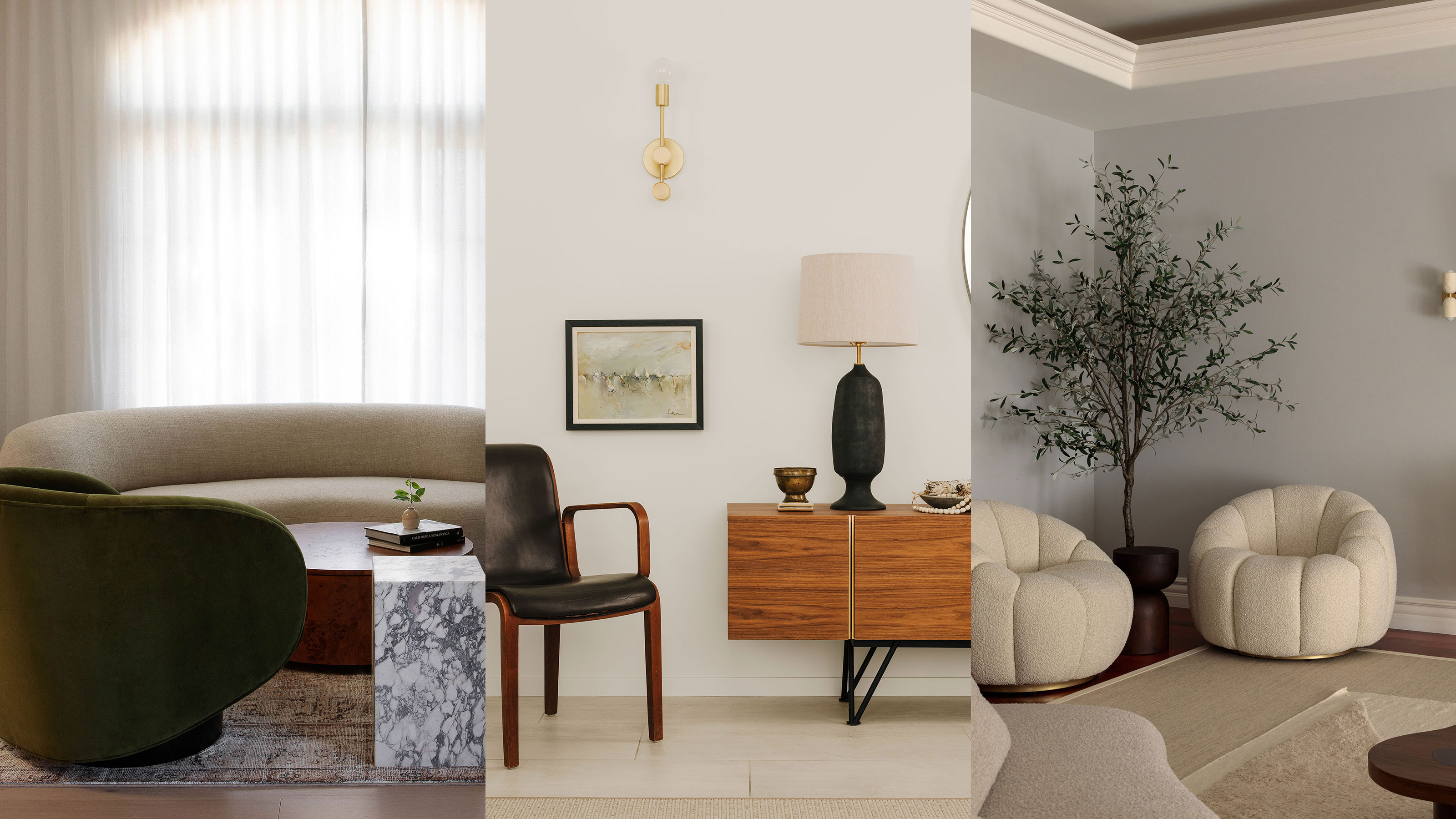
Corners are underutilized goldmines in living room designs for small spaces. Fit corner sofas, shelves, or desks to reclaim awkward areas without impeding traffic. A cozy reading nook with an armchair and lamp transforms dead space into a functional zone. Use curved furniture to soften edges and improve flow. This tactic expands usable area, as seen in apartment layouts, and adds personality. Pair with lighting to highlight these spots, making the room feel balanced and larger overall.
8. Choose Transparent or Acrylic Furniture
Transparent furniture, like acrylic chairs or glass tables, creates invisibility in living room designs for small spaces. These pieces allow light to pass through, reducing visual weight and opening up sightlines. Pair a clear coffee table with a solid sofa for contrast, or use lucite side tables for a modern edge. This material resists fingerprints better than glass and adds a contemporary flair. Ideal for tight layouts, it maintains openness while providing utility, a favorite in urban interiors.

9. Mount the TV on the Wall
Wall-mounting your TV frees floor space in living room designs for small spaces, creating a streamlined look. Position it at eye level for comfort, and hide cords with channels for a tidy appearance. Surround with floating shelves for media storage, turning it into a focal point. This elevates the room’s aesthetic and allows for flexible furniture arrangements below. Experts recommend adjustable mounts for viewing angles, enhancing both form and function in compact areas.

10. Use Area Rugs for Zoning
Area rugs define zones in living room designs for small spaces, separating seating from pathways without walls. Choose light, patterned rugs to add texture and warmth, ensuring they fit under furniture legs for cohesion. Layer smaller rugs for depth, or opt for oversized ones to unify the area. This visually expands the floor while absorbing sound. Design pros suggest neutral bases with subtle patterns to avoid overwhelming the space, perfect for open-plan setups.
11. Layer Lighting for Depth
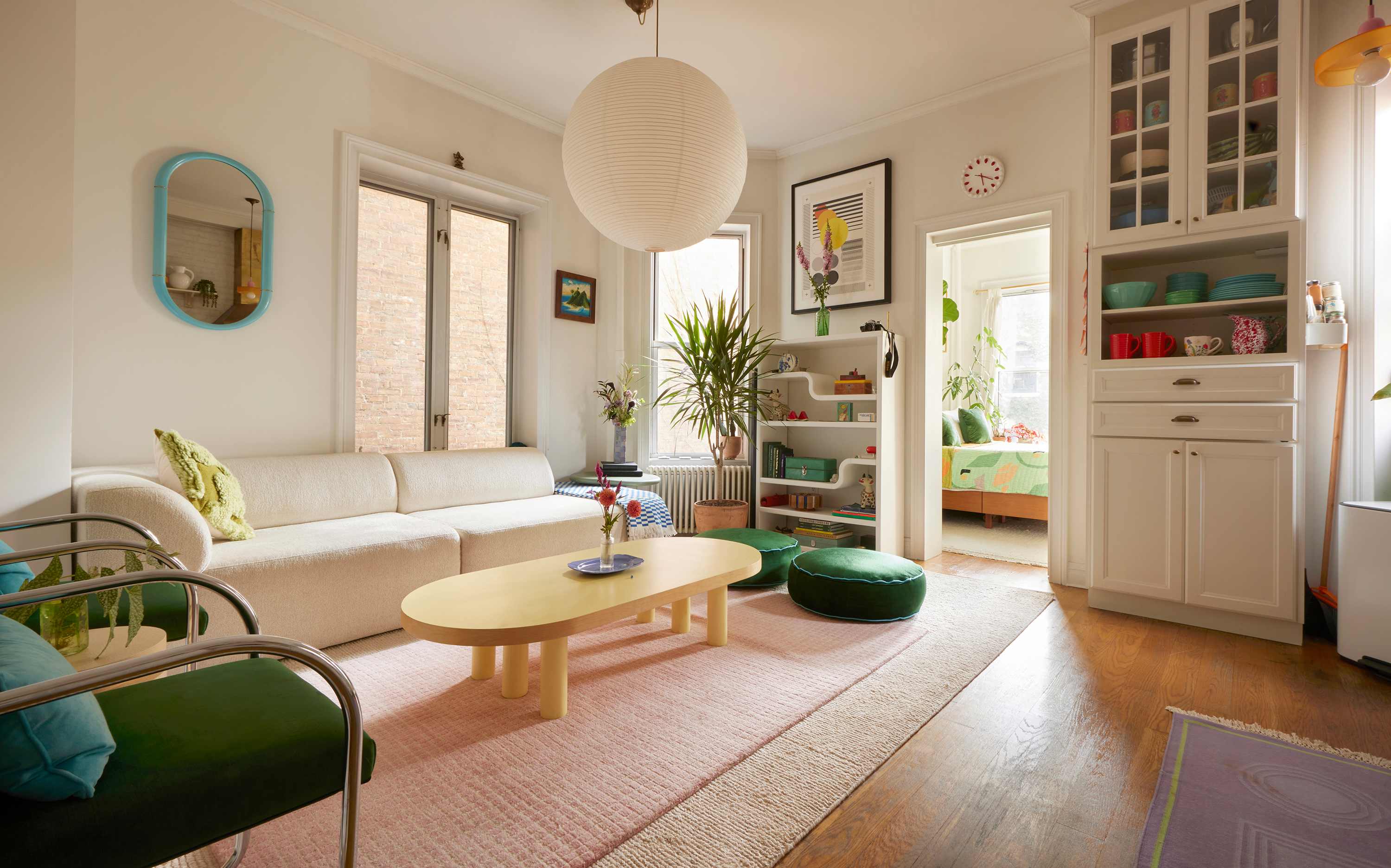
Layered lighting adds dimension in living room designs for small spaces, combining ambient, task, and accent sources. Use floor lamps for height, wall sconces for shadows, and pendants for focus. Dimmers allow mood adjustments, while LED strips under shelves illuminate corners. This creates warmth and highlights features, making the room feel larger. Avoid harsh overheads; instead, distribute light evenly for an inviting glow, as advised in lighting guides.
12. Integrate Indoor Plants
Indoor plants bring life to living room designs for small spaces, improving air quality and adding vertical interest. Hang trailing vines or place potted ferns on shelves to draw eyes up. Choose low-maintenance varieties like snake plants for busy lifestyles. Cluster them in corners for natural zoning, or use stands for elevation. This biophilic element softens edges and connects indoors with nature, expanding perceived space through greenery.

13. Incorporate Foldable Elements
Foldable furniture offers flexibility in living room designs for small spaces, tucking away when not in use. Wall-mounted drop-leaf tables or folding chairs expand for guests and collapse for daily life. Murphy beds or convertible sofas handle overnight stays seamlessly. Select durable, stylish options in neutral hues to blend in. This adaptability suits multifunctional rooms, maximizing utility without permanent commitment, a staple in tiny home trends.
14. Employ Optical Illusions with Patterns
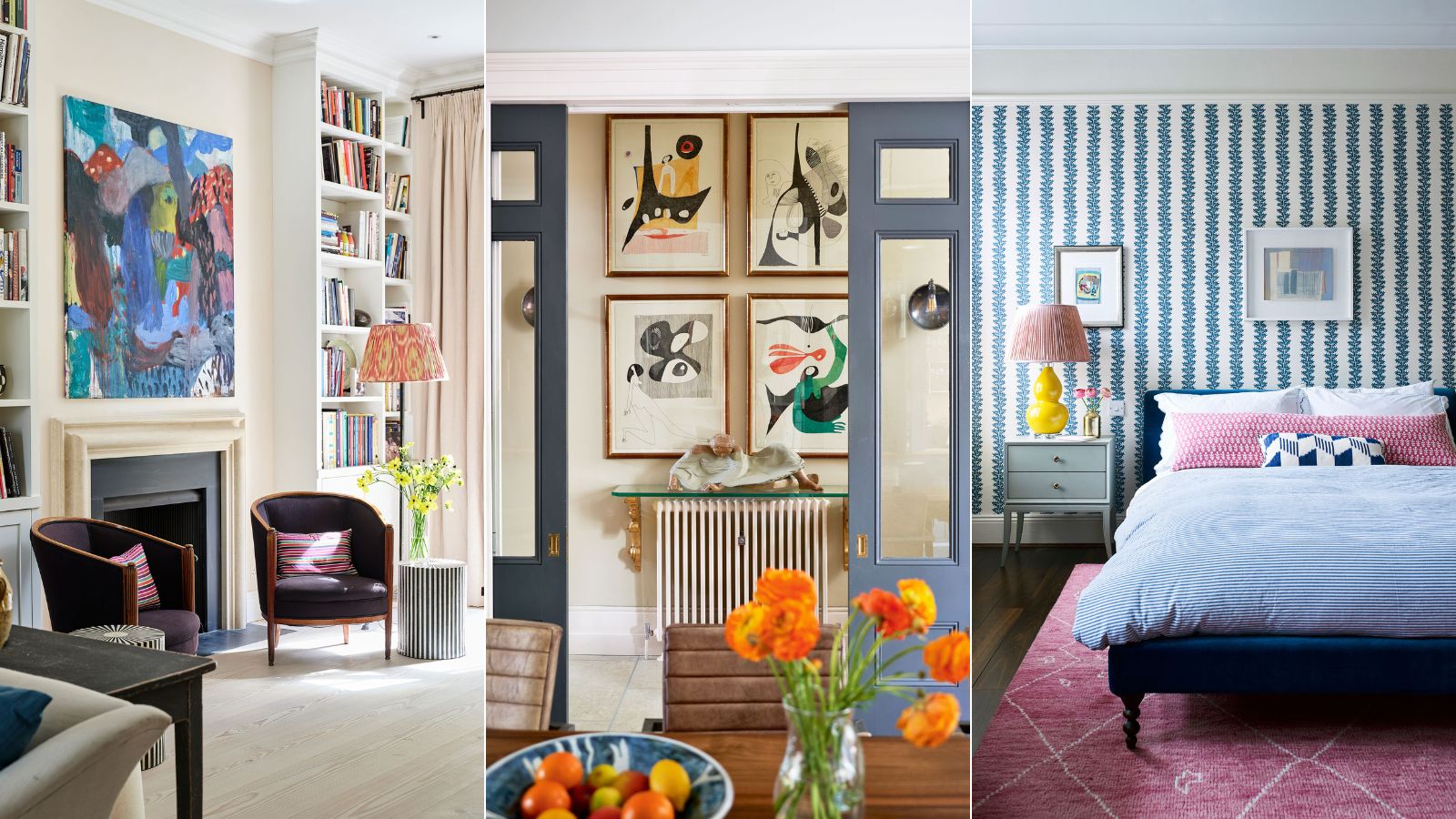
Optical illusions via patterns enhance living room designs for small spaces, using stripes or geometrics to alter perceptions. Vertical stripes on walls or rugs elongate height, while horizontal ones widen floors. Subtle wallpapers or striped cushions create depth without clutter. Pair with mirrors for amplified effect. This clever decor stretches boundaries visually, as interior experts highlight, turning constraints into creative opportunities.
FAQs
What are the best colors for living room designs in small spaces?
Light neutrals like whites, beiges, and soft grays work best, as they reflect light and make walls recede. Avoid dark shades that can make the area feel enclosed.
How can I add storage without making my small living room feel crowded?
Focus on vertical and hidden storage, such as wall shelves, ottomans with compartments, or under-sofa drawers. This keeps floors clear and maintains an open feel.
Is multifunctional furniture worth the investment for small spaces?
Absolutely—pieces like sofa beds or nesting tables save space and money long-term by serving multiple roles, ideal for versatile living.
How do mirrors help in making a small living room look bigger?
Mirrors reflect light and views, creating the illusion of extended space. Placing one opposite a window maximizes this effect.
What lighting tips should I follow for compact living rooms?
Layer ambient, task, and accent lighting to avoid shadows. Use dimmers and wall fixtures to distribute light evenly, enhancing depth.
Final Words
Transforming living room designs for small spaces into expansive oases is about smart choices and creativity. By implementing these 14 ideas—from multifunctional pieces to optical tricks—you’ll not only make your area look bigger but also more functional and stylish. Remember, the goal is balance: prioritize light, minimize clutter, and personalize. With these strategies, even the tiniest room can become a welcoming heart of your home. Start small, experiment, and enjoy the newfound spaciousness!