20 Living Room Designs That Redefine Modern Living
The living room is the heartbeat of the home. It is where you unwind after a long day, entertain guests, and increasingly, where remote work happens. Because this space serves so many purposes, the approach to styling it has shifted. It is no longer enough for a room to just look good; it must perform well, too.
Homeowners and designers are moving away from cookie-cutter layouts. Instead, they are embracing living room designs that prioritize personal expression, comfort, and multifunctional utility. Whether you are renovating an entire property or just looking to refresh your current setup, the goal is to create a space that feels authentically yours.
This guide explores 20 unique design concepts. These ideas range from nature-inspired sanctuaries to high-tech hubs, all chosen to help you navigate current living room decor trends and find the perfect aesthetic for your lifestyle.
Nature-Inspired and Organic Themes
Modern living often feels disconnected from the natural world. These designs aim to bridge that gap, bringing the outdoors in for a serene, grounded atmosphere.
1. The Biophilic Sanctuary

Biophilic design remains one of the most enduring modern living room ideas. This approach goes beyond a potted plant in the corner. It involves creating a lush, indoor garden atmosphere. Think living walls, large fiddle leaf figs, and hanging ivy combined with natural light. The goal is to improve air quality and mental well-being by surrounding yourself with life.
2. Japandi Minimalism

A hybrid of Japanese rustic minimalism and Scandinavian functionality, Japandi is perfect for those who crave order without coldness. This style utilizes clean lines, low-profile furniture, and a neutral color palette. It emphasizes decluttered spaces where every object has a purpose, creating a calming, Zen-like environment.
3. Earthy Monochromes

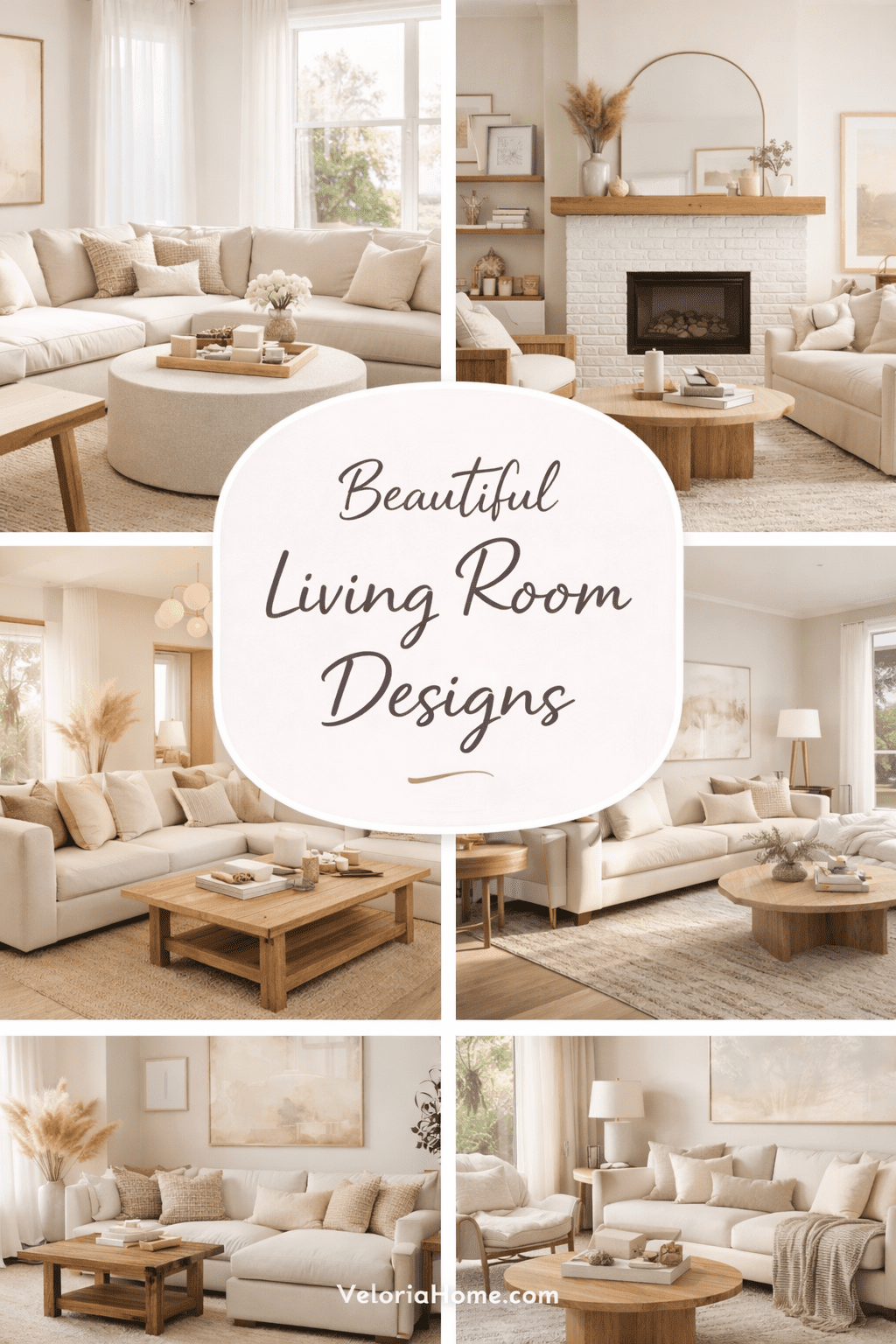
Move over, stark white. The new monochromatic look embraces warm, earthy tones. Layering different shades of terracotta, beige, sand, and brown creates depth and warmth. This design relies heavily on texture—think linen sofas, wool rugs, and clay pottery—to prevent the room from feeling flat.
4. Raw and Rustic Luxe

This style pairs the unrefined beauty of natural materials with modern luxury. Imagine exposed wooden beams or a raw stone fireplace contrasted with a sleek, velvet sectional. It is about balancing the rugged imperfections of nature with the polished comfort of contemporary living.
5. Coastal Grandmother Chic
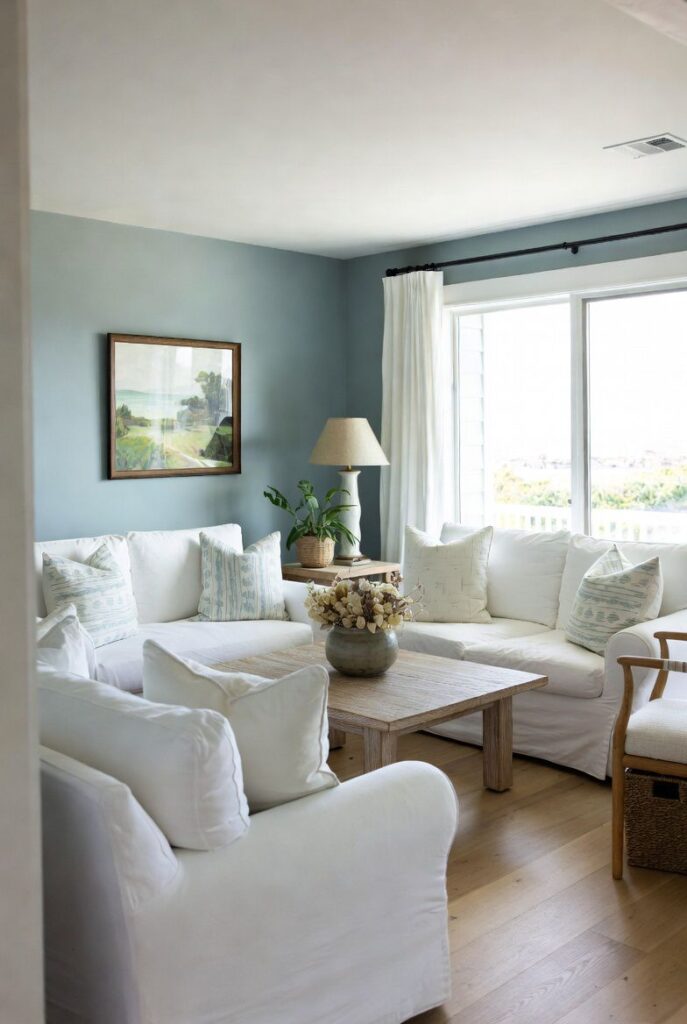
This trend has taken the internet by storm, offering a relaxed, breezy aesthetic. It isn’t about nautical kitsch; it is about linen slipcovers, soft blues, creams, and natural wood. It evokes the feeling of a high-end beach house where comfort is king and nothing feels too precious to touch.
Architectural and Structural Statements
Sometimes, the architecture itself dictates the design. These concepts focus on manipulating space, light, and structure to create drama and functionality.
6. The Revival of the Conversation Pit

Retrofitted for the 21st century, the sunken living room—or conversation pit—is making a comeback. This architectural feature creates a distinct zone for socializing without using walls. It promotes intimacy and interaction, pulling focus away from the television and back to human connection.
7. Open-Plan Zoning

While open concepts are standard, the new trend is distinct “zoning.” Using large area rugs, strategic lighting, or open shelving units as room dividers helps define the living area within a larger space. This maintains the airy feel of an open plan while restoring a sense of coziness and structure.
8. Statement Ceilings

Designers are urging homeowners to look up. Treating the ceiling as a “fifth wall” adds unexpected character. Whether it is painted a moody dark color, covered in geometric wallpaper, or adorned with architectural molding, a statement ceiling draws the eye upward and makes the room feel larger and more curated.
9. Industrial Softness

Industrial design often feels cold, but the modern iteration softens the edges. You keep the exposed brick, concrete floors, and metal accents, but layer in plush textiles, sheepskin throws, and warm ambient lighting. It retains the urban edge while ensuring the space remains inviting.
10. The Glass Box

For homes with a view, floor-to-ceiling windows are the ultimate design element. The furniture in these rooms should be low and unobtrusive, ensuring nothing blocks the sightlines. The exterior environment effectively becomes the “wallpaper” of the room, changing with the seasons and time of day.
Bold Aesthetics and Personality
For those who view their home as a canvas, these living room designs offer a chance to play with color, history, and artistic flair.
11. Maximalist Curated Chaos

Maximalism is the rebellion against minimalism. It celebrates the “more is more” philosophy. However, successful maximalism is curated, not cluttered. It involves bold patterned wallpapers, gallery walls filled with art, and mixing vintage finds with modern pieces. It tells the story of the inhabitant’s life and travels.
12. Jewel Tone Drama

Deep, saturated colors are redefining modern elegance. Emerald greens, sapphire blues, and amethyst purples create a moody, sophisticated vibe. These tones work exceptionally well on walls or large furniture pieces like sofas, especially when paired with metallic accents like brass or gold.
13. Mid-Century Modern 2.0

This style rarely goes out of fashion, but the current iteration blends iconic mid-century shapes (tapered legs, organic curves) with contemporary fabrics. It captures the optimism of the 1950s but updates it with the durability and comfort required for modern families.
14. Dark Academia

Inspired by classic libraries and ivy-league aesthetics, this moodier style uses dark wood, leather furniture, and shelves stacked with books. It creates a cozy, intellectual atmosphere perfect for reading and quiet contemplation. Lighting is key here; use warm lamps rather than harsh overhead lights.
15. The Art Gallery Vibe

In this design, furniture takes a backseat to art. White walls and minimalist furniture serve as a blank canvas for large-scale paintings, sculptures, or photography. The living room becomes a personal exhibition space, sparking conversation and inspiring creativity.
Tech-Forward and Multifunctional
As our lifestyles change, our homes must adapt. These designs prioritize utility, technology, and the realities of smaller footprints.
16. The Smart Living Room

Trending living room designs now seamlessly integrate technology. This isn’t just about a big TV; it’s about hidden speakers, voice-controlled lighting systems, and automated window treatments. The goal is to have technology enhance the living experience without dominating the visual aesthetic.
17. Multifunctional Small Spaces

For urban dwellers, the living room often doubles as a dining room or guest room. Smart furniture is essential here. Think coffee tables that lift to become desks, sofas with hidden storage, or wall-mounted desks that fold away. This design proves that limited square footage doesn’t mean limited style.
18. The Work-From-Home Hybrid

With remote work becoming permanent for many, the living room office is a staple. The key is integration. A stylish writing desk tucked behind a sofa or a “cloffice” (closet office) allows workspace to exist without ruining the relaxation vibe of the living room.
19. Curved and Fluid Shapes

Sharp edges are being replaced by soft curves. Curved sofas, round coffee tables, and arched doorways create a fluid, organic flow through the room. This softens the overall look and makes the space feel more welcoming and safe, particularly for families with young children.
20. Sustainable and Upcycled

Eco-conscious design is more than a trend; it’s a movement. This style prioritizes furniture made from reclaimed wood, recycled plastics, or vintage pieces that have been restored. It combines ethics with aesthetics, proving that sustainable choices can result in a chic, high-end look.
Frequently Asked Questions
Q: How do I choose the right design for a small living room?
A: When dealing with limited space, prioritize “Multifunctional Small Spaces” or “Japandi Minimalism.” Focus on furniture with exposed legs to create a sense of airflow and use mirrors to bounce light around the room. Avoid heavy, overstuffed furniture that can make the room feel claustrophobic.
Q: What are the top living room decor trends for the coming year?
A: We are seeing a strong shift toward “Biophilic Design” and “Curved Furniture.” People are seeking comfort and a connection to nature. Additionally, warm neutrals are replacing cool greys as the go-to base color for walls and large furniture items.
Q: Can I mix two different design styles?
A: Absolutely. In fact, mixing styles often leads to the most interesting results. For example, “Industrial Softness” mixes hard industrial elements with soft textiles. The key is to find a unifying element, such as a color palette or wood tone, to tie the disparate styles together.
Q: How can I update my living room without a full renovation?
A: You can refresh your space by changing textiles like throw pillows and rugs, updating lighting fixtures, or adding a fresh coat of paint. Rearranging your furniture layout can also dramatically change the feel of the room without costing a dime.
Q: Is open-concept living going out of style?
A: While open-concept isn’t disappearing, “Broken Plan” living is gaining popularity. This involves using shelving, glass partitions, or different floor levels to create distinct zones within an open space, offering the privacy of separate rooms with the light flow of an open plan.
Final Words
Redesigning your space is an exciting journey. The living room designs listed above are merely starting points—blueprints for you to adapt and mold to your specific needs. Whether you are drawn to the moody atmosphere of Dark Academia or the clean lines of Japandi, the most successful design is one that supports your daily life.
As you explore these modern living room ideas, remember that trends serve as inspiration, not strict rules. Your home should reflect your personality. By blending functionality with your unique aesthetic preferences, you can create a living room that not only looks spectacular but also redefines the way you live.