

12 Beach House Designs That Bring Coastal Living to Life
There is something undeniably magnetic about the ocean. The rhythmic crash of waves, the salty air, and the endless horizon create a sense of calm that few other environments can match. A beach house isn’t just a structure built on sand; it is a gateway to a lifestyle defined by relaxation and connection to nature. Whether you are dreaming of a weekend getaway or planning a permanent move to the coast, the design of your home plays a pivotal role in how you experience the seaside.
Designing the perfect coastal retreat requires balancing aesthetics with functionality. You want a space that captures the beauty of the surroundings while withstanding the harsh coastal elements. From rugged modern structures to quaint traditional cottages, the architectural possibilities are as vast as the ocean itself. This guide explores 12 stunning beach house designs that capture the essence of coastal living, offering inspiration for your own slice of paradise.
1. The Modern Glass Pavilion

For those who believe the view is paramount, the modern glass pavilion is the ultimate choice. This design philosophy uses floor-to-ceiling windows as the primary walls, blurring the line between indoors and outdoors. The structure often features clean lines, flat roofs, and a minimalist aesthetic that lets the ocean take center stage.
The beauty of this beach house style lies in its transparency. Every room becomes a vantage point for watching the sunrise or the rolling tides. To maintain privacy without sacrificing the view, smart glass technology or strategic landscaping is often used. The interiors usually mirror the exterior’s simplicity, utilizing neutral tones and sleek furniture to ensure nothing distracts from the panoramic scenery.
2. The Classic Cape Cod Cottage
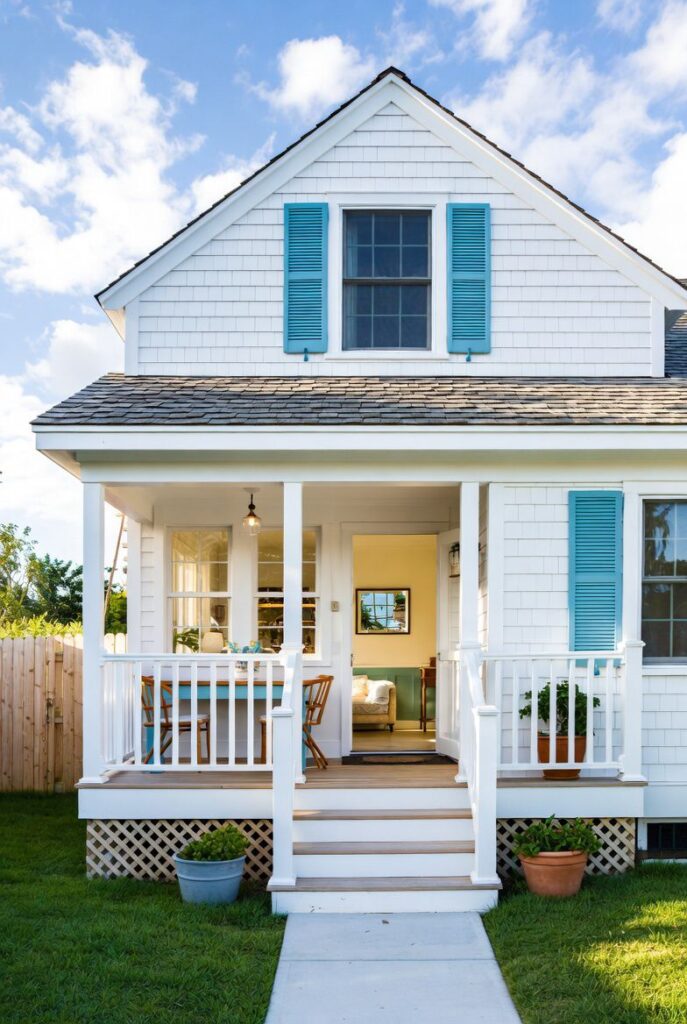
Originating from New England, the Cape Cod cottage is perhaps the most iconic American beach house style. Characterized by steep roofs, shingle siding (often weathering to a beautiful gray), and central chimneys, these homes exude a timeless charm. They are built to be sturdy against coastal storms while remaining cozy and inviting.
Inside, you will typically find beadboard walls, hardwood floors, and a layout that encourages family gathering. This design is perfect for those who want a home with history and warmth. It embodies a traditional approach to coastal living, where evenings are spent by the fire after a long day on the sand.
3. The Tropical Balinese Villa

Bring the resort vibe home with a Balinese-inspired design. This style focuses heavily on the seamless flow between indoor and outdoor spaces. Think open-air living rooms, thatched roofs, and extensive use of natural materials like bamboo, teak, and stone.
A tropical beach house often centers around a courtyard or a pool, creating a private oasis. Lush landscaping is integral to this design, providing shade and privacy. If you love the idea of living in a permanent vacation state, where the breeze flows freely through your living room, this exotic style is an excellent direction to explore.
4. The Scandinavian Seaside Cabin
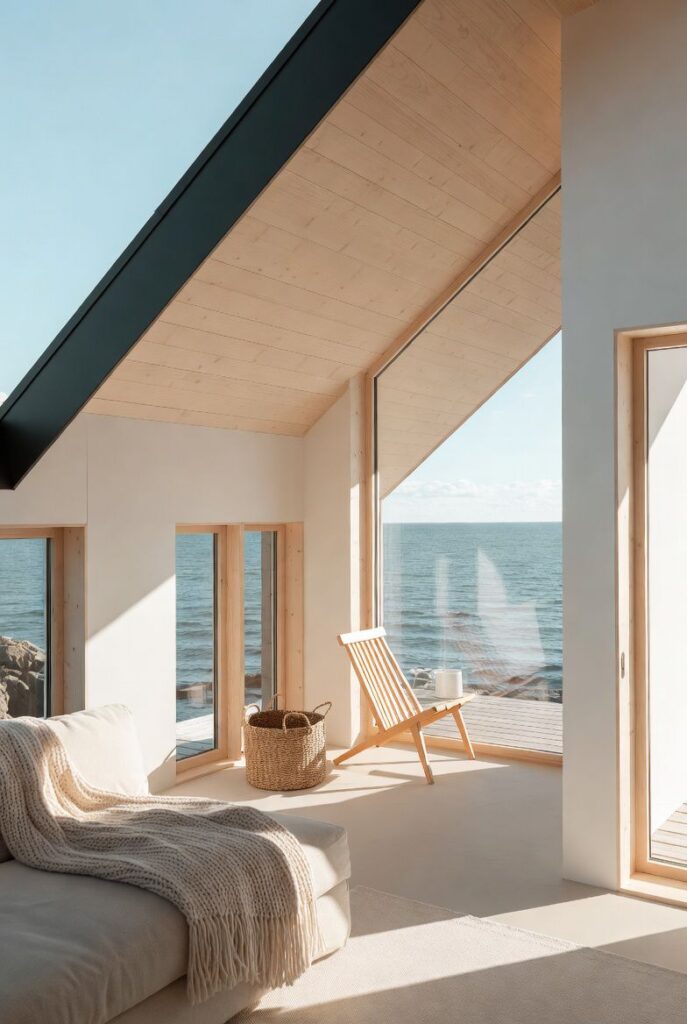
Nordic design principles—simplicity, functionality, and connection to nature—translate beautifully to coastal environments. A Scandinavian seaside cabin often features black or dark wood exteriors, which contrast strikingly with the coastal landscape, while absorbing heat in cooler climates.
The interiors are bright, airy, and uncluttered, maximizing natural light with large windows and white walls. This beach house design emphasizes “hygge,” creating a cozy sanctuary where you can watch stormy seas from the comfort of a sheepskin-adcovered armchair. It is an ideal choice for rugged coastlines where the weather can be dramatic.
5. The Australian “Queenslander” on Stilts

Adapted for hot, humid climates, the raised “Queenslander” style is brilliant for coastal living. By elevating the beach house on stilts or pilings, you achieve two things: protection from rising tides or storm surges, and improved airflow underneath the home to keep it cool.
These homes typically feature wrap-around verandas (porches) that provide ample shade and outdoor living space. The elevation also grants better views of the water, often allowing you to see over dunes or vegetation. It is a practical, breezy design that feels distinctly laid-back and adventurous.
6. The Mediterranean White Stucco Villa

Inspired by the coasts of Greece and Spain, this design uses thick masonry walls finished with white stucco. The white exterior reflects the harsh sun, keeping the interior cool, while terracotta roof tiles add a splash of warmth. Arched doorways and wrought-iron details complete the look.
A Mediterranean beach house often features varied levels, terraces, and hidden courtyards perfect for alfresco dining. This style is incredibly romantic and robust, making it suitable for hot, sunny coastal regions. The heavy materials provide excellent insulation and soundproofing against crashing waves.
7. The Sustainable Eco-Pod

As we become more conscious of our environmental impact, the sustainable eco-pod has emerged as a popular beach house trend. These are often smaller, modular homes designed to have a minimal footprint on the fragile coastal ecosystem. They might utilize solar panels, rainwater harvesting systems, and recycled building materials.
Design-wise, they are often futuristic and compact, utilizing smart storage and multi-functional furniture. Living in an eco-pod connects you deeply with nature, knowing that your presence isn’t harming the beautiful environment you came to enjoy. It is modern coastal living with a conscience.
8. The Nautical Shingle Style

Similar to the Cape Cod but often grander, the Shingle Style emerged in the late 19th century as a favorite for wealthy vacationers. These homes are defined by their continuous wood shingle cladding that wraps around the complex shapes of the house, including turrets, verandas, and asymmetrical rooflines.
This type of beach house feels established and majestic. It blends into the coastal landscape naturally as the cedar shingles weather. The interiors are often spacious and rambling, perfect for hosting large groups of friends and family for a summer getaway.
9. The Contemporary Concrete Bunker

While “bunker” might sound severe, modern concrete architecture can be incredibly sophisticated and warm. Concrete is impervious to salt air, sand, and wind, making it the most durable material for a beach house. Architects soften the brutalist edge by mixing concrete with warm woods and soft textiles.
These homes often feature cantilevered sections and bold geometric shapes. They feel grounded and permanent, offering a sense of total security against the elements. If you appreciate architectural drama and low exterior maintenance, a concrete coastal home is a powerful statement.
10. The Hamptons Coastal Estate

The Hamptons style is synonymous with luxury coastal living. It combines the rustic charm of a farmhouse with the elegance of a manor. Key features include gable roofs, large columns, ox-eye windows, and a palette of crisp whites, soft grays, and ocean blues.
This beach house design focuses on entertaining. Expansive decks, large swimming pools, and gourmet kitchens are standard. The vibe is sophisticated yet relaxed—think linen sofas, driftwood accents, and fresh hydrangeas. It is the perfect design for those who want their beachside living to feel upscale and polished.
11. The Rustic Driftwood Shack

For the purist, nothing beats the rustic charm of a cabin that looks like it washed ashore. This design embraces imperfection, using reclaimed wood, driftwood, and salvaged materials. The aesthetic is raw and textured, often leaving beams exposed and floors unpolished.
A rustic beach house isn’t about luxury amenities; it’s about character. It tells a story. This style encourages a “shoes off, worries off” mentality. It is often smaller in scale, prioritizing intimacy and a direct, unfiltered connection to the sand and sea just outside the door.
12. The Mid-Century Modern A-Frame

The A-Frame is experiencing a massive resurgence. Its steep, triangular roofline is not only iconic but practical, shedding heavy rain and sand easily. The front of the “A” is typically entirely glass, turning the home into a viewing lens for the ocean.
These structures often feature a lofted bedroom overlooking the living area, creating high ceilings and a sense of volume despite a smaller footprint. An A-Frame beach house feels nostalgic and playful. It is a fantastic option for a guest house or a cozy retreat for couples looking to escape the city.
Frequently Asked Questions (FAQs)
What is the best material for a beach house exterior?
Durability is key. Materials like fiber cement siding, cedar shingles (if maintained), concrete, and high-quality stucco are excellent choices. They resist rot, salt corrosion, and wind damage better than standard wood or vinyl siding.
How do I protect my beach house from salt air corrosion?
Salt air is tough on metals. Use marine-grade stainless steel (316 grade) for all exterior hardware, light fixtures, and railings. regularly washing down the exterior of your beach house with fresh water can also prevent salt buildup.
What flooring is best for sandy locations?
Avoid wall-to-wall carpet, which traps sand and moisture. Hardwood (like engineered oak), polished concrete, luxury vinyl plank, or large-format tile are superior options. They are easy to sweep and can handle wet feet coming in from the surf.
Does a beach house require special insurance?
Yes. Homes in coastal zones often require flood insurance and windstorm coverage in addition to standard homeowner’s policies. It is crucial to consult with an insurance agent familiar with coastal properties to ensure you are fully protected.
Final Words
Choosing the right design for your beach house is about more than just curb appeal; it is about defining how you want to live by the water. Whether you are drawn to the rugged durability of concrete, the nostalgic charm of a Cape Cod cottage, or the open-air freedom of a tropical villa, your home should be a sanctuary that enhances the coastal experience.
The best designs respect the environment they inhabit. They frame the views, capture the breezes, and stand resilient against the weather. By selecting a style that resonates with your personal taste and meets the practical demands of the seaside, you create a space where memories are made with every tide. Coastal living is a privilege—make sure your home is worthy of the view.