
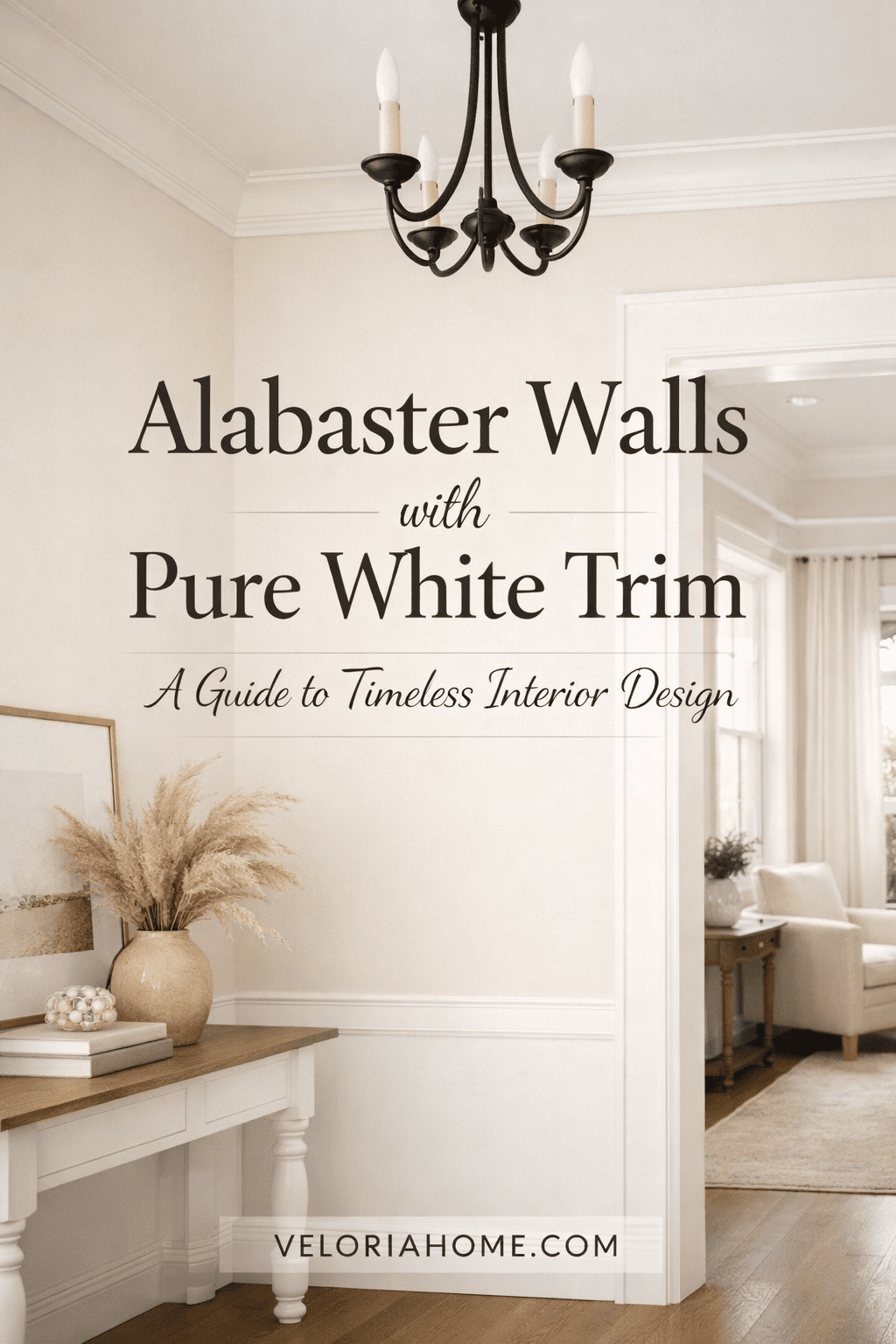
Alabaster Walls with Pure White Trim: A Guide to Timeless Interior Design
In the world of interior design, few combinations offer the serene sophistication of alabaster walls with pure white trim. This subtle yet striking pairing has become a staple in modern homes, blending warmth and crispness to create spaces that feel both inviting and polished. Alabaster, a soft off-white with gentle undertones, provides a neutral backdrop that adapts to various lighting conditions, while pure white trim adds definition and a clean edge that elevates the entire room.
As homeowners increasingly seek calming environments amid busy lifestyles, alabaster walls with pure white trim stand out for their ability to make rooms appear larger, brighter, and more cohesive. Popularized by brands like Sherwin-Williams, where Alabaster (SW 7008) is a bestseller, this duo draws inspiration from natural stone and minimalist aesthetics. In this comprehensive guide, we’ll explore why this combination works, how to implement it, and real-world applications to inspire your next project.
Understanding Alabaster Color
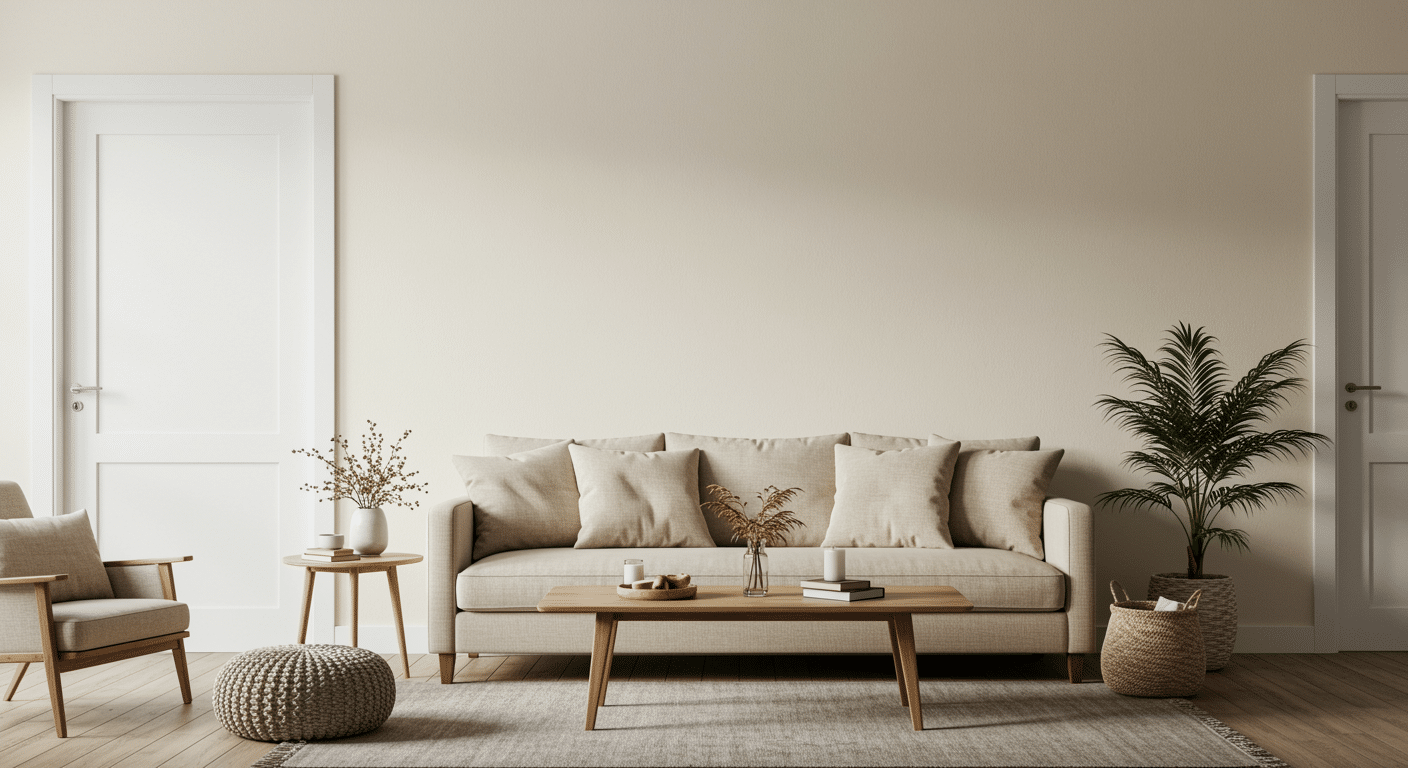
Alabaster is more than just a shade of white; it’s a nuanced hue that evokes the smooth, translucent quality of the mineral it’s named after. Typically featuring subtle warm undertones of beige or yellow, alabaster avoids the starkness of pure white while steering clear of overly creamy ivories. In paint terms, it’s often described as an off-white with a light reflectance value (LRV) around 82, meaning it bounces light beautifully without overwhelming the space.
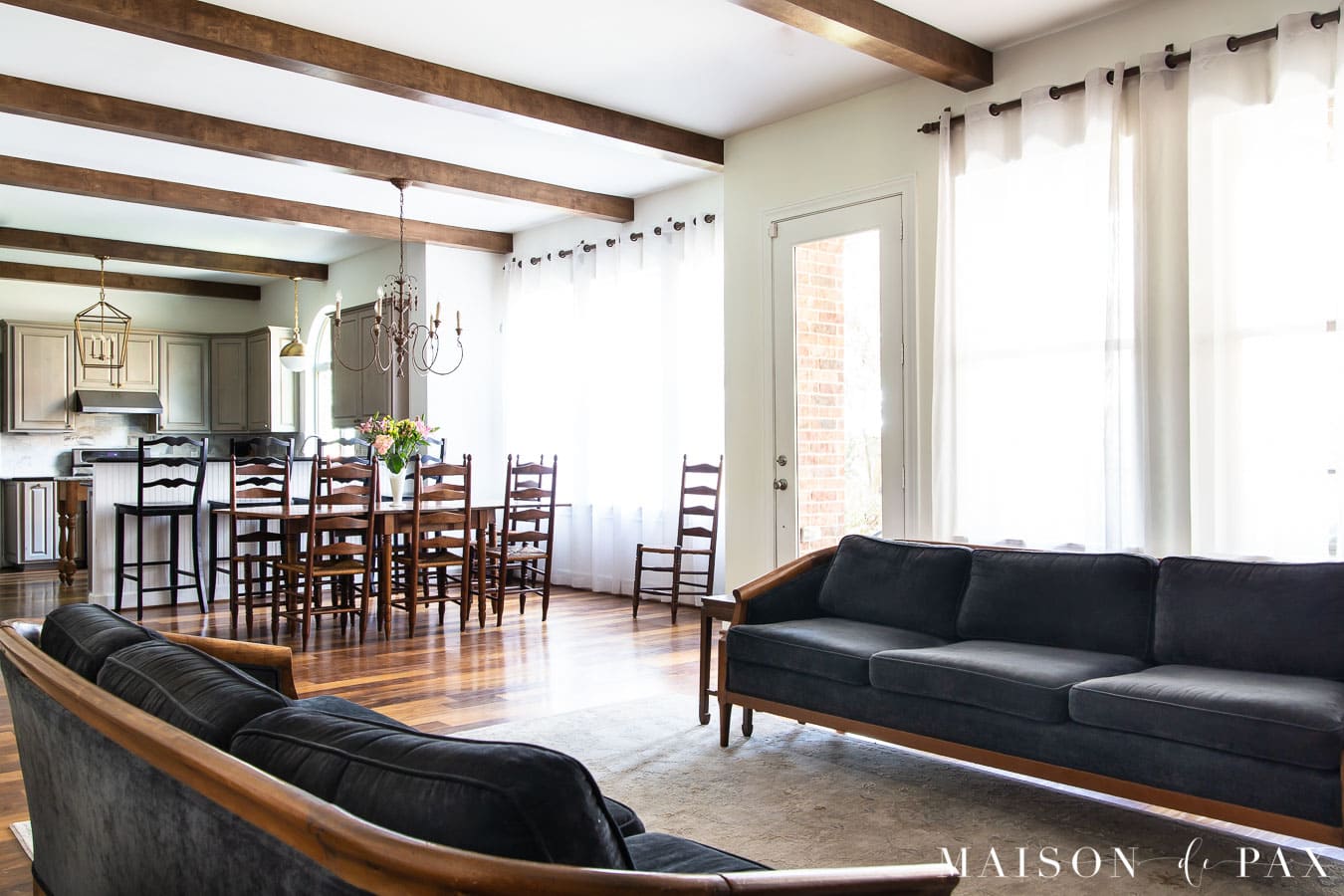
This color’s versatility stems from its balanced undertones. In north-facing rooms with cooler light, alabaster walls can appear slightly warmer, creating a cozy atmosphere. Conversely, in sun-drenched southern exposures, it maintains a fresh, airy feel. When paired with pure white trim—think baseboards, crown molding, and door frames—the contrast is subtle yet effective, highlighting architectural details without clashing. Designers love alabaster for its adaptability across styles, from Scandinavian minimalism to farmhouse chic. It’s not just a trend; it’s a foundational element that supports bolder accents, like deep navy furniture or metallic fixtures, ensuring your home feels harmonious.
The Magic of Pure White Trim
Pure white trim serves as the perfect counterpart to alabaster walls, offering a crisp border that defines edges and adds a layer of elegance. Unlike warmer whites that might blend too seamlessly, pure white (such as Sherwin-Williams Extra White or Benjamin Moore Chantilly Lace) provides a high-contrast pop that’s still understated. This combination mimics the look of classic galleries or modern museums, where walls recede gently, allowing art and furnishings to shine.
The key to this magic lies in the subtle differentiation: alabaster’s warmth prevents the space from feeling clinical, while the pure white trim injects modernity and cleanliness. In terms of interior paint schemes, this duo enhances depth perception, making ceilings seem higher and rooms more expansive. For those optimizing for semantic SEO, incorporating phrases like “white trim paint ideas” and “contrasting wall trims” can broaden reach to audiences searching for refined home updates.
Benefits of This Color Combination
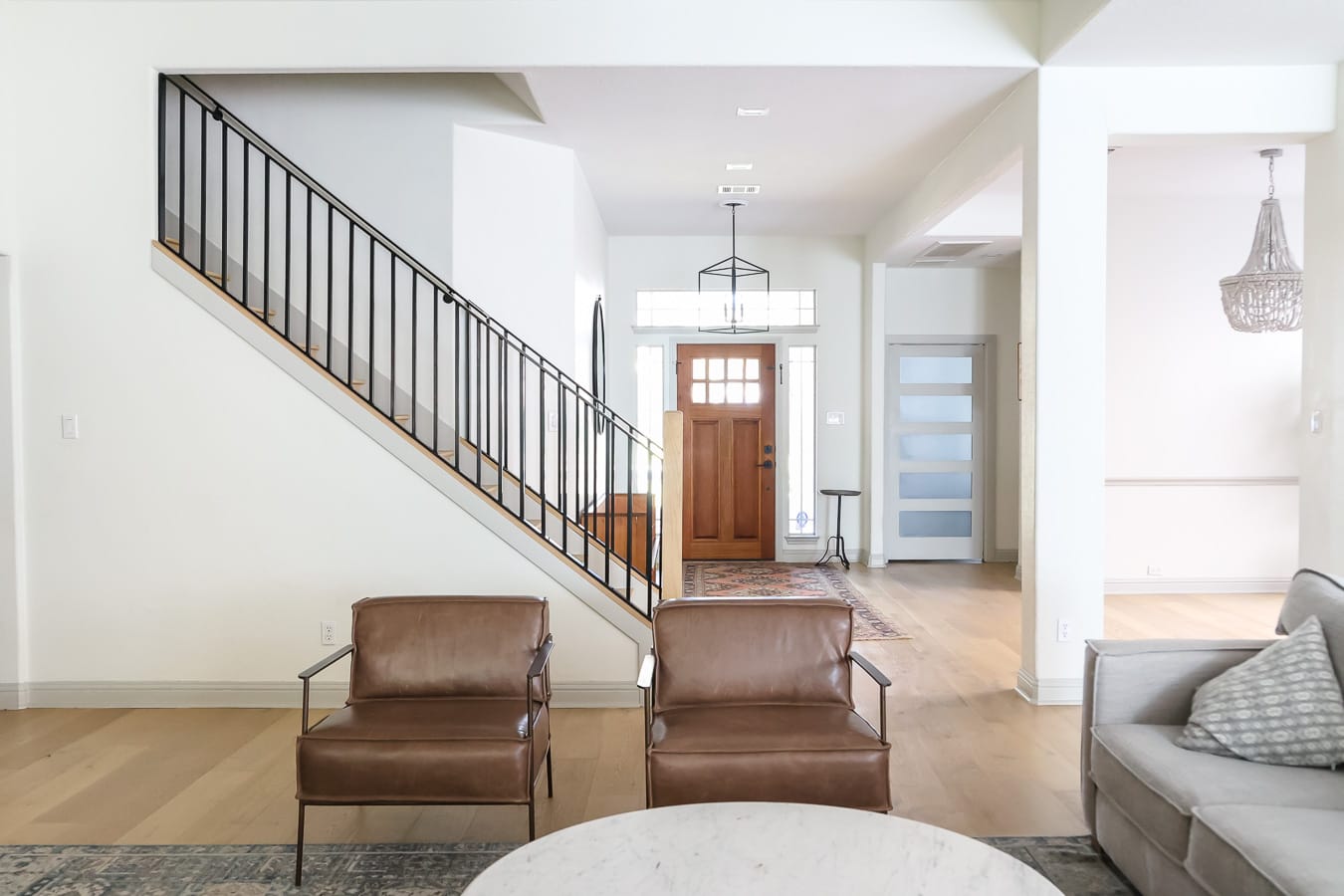
Opting for alabaster walls with pure white trim brings numerous advantages that go beyond aesthetics. First, it maximizes natural light. The high LRV of both colors reflects sunlight efficiently, reducing the need for artificial lighting and creating an energy-efficient home. This is particularly beneficial in regions like Sindh, where bright days can make interiors feel vibrant year-round.
Second, versatility is a major perk. This palette serves as a blank canvas for various decor styles—pair it with earthy tones for a bohemian vibe or sleek blacks for contemporary edge. It’s also forgiving; minor scuffs on walls blend into the soft hue, and the trim’s brightness draws the eye upward.
Psychologically, neutrals like this promote calm and focus, ideal for home offices or bedrooms. From a resale perspective, such timeless choices appeal to buyers, potentially increasing property value. Semantic SEO integration here includes related entities like “light-reflecting paints” and “neutral home interiors,” enhancing discoverability.
Additionally, this combo is low-maintenance in design terms. It doesn’t date quickly, unlike bold colors, allowing for easy updates with textiles or accessories.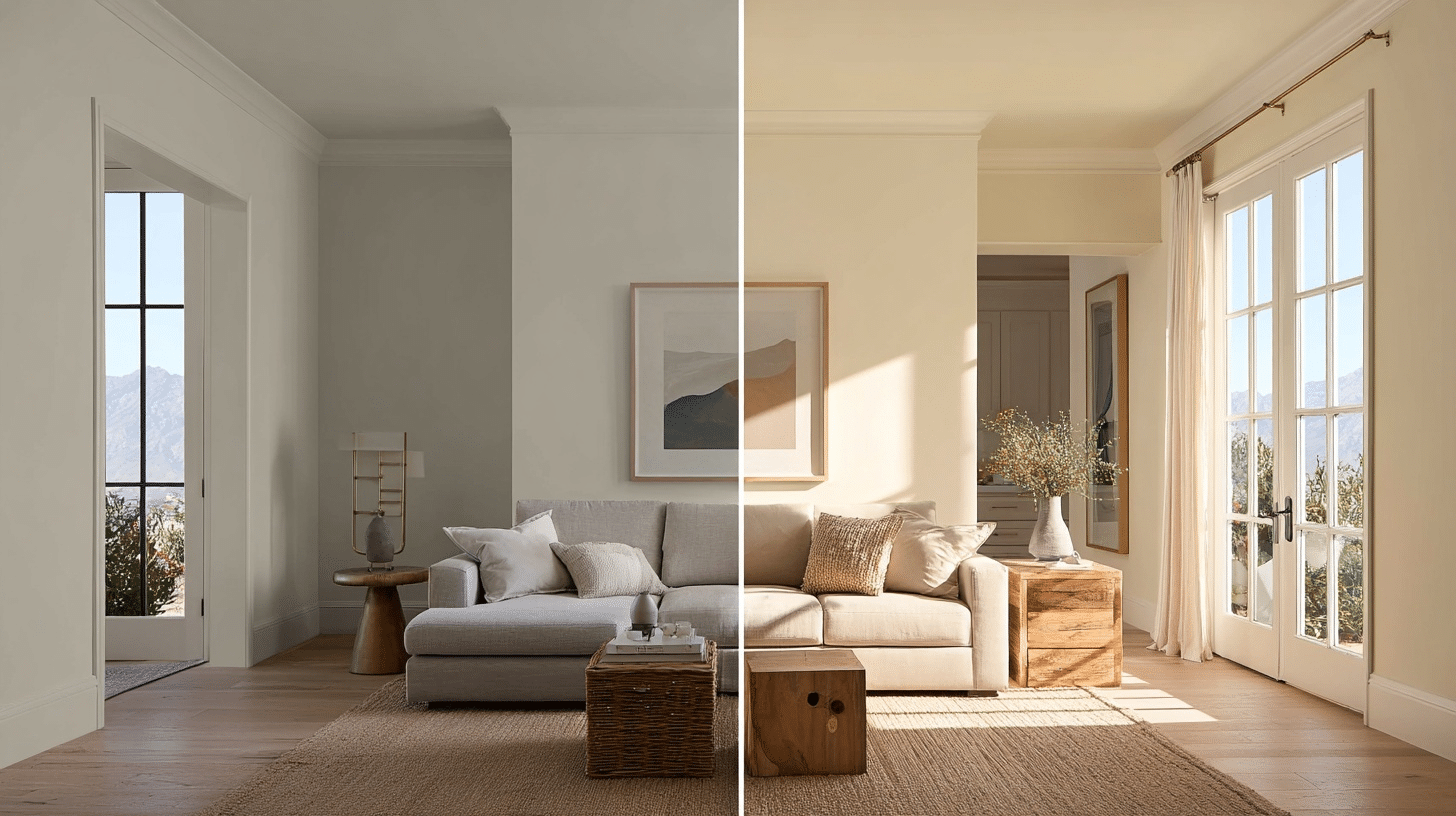
Design Ideas for Different Rooms
Let’s dive into practical applications. In living rooms, alabaster walls with pure white trim create a welcoming hub. Accent with textured rugs, wooden coffee tables, and plants for a natural feel. Imagine a spacious lounge where the walls softly glow under pendant lights, framed by pristine white moldings.
For bedrooms, this scheme fosters tranquility. Layer with linen bedding in grays or pastels, and add sheer curtains to diffuse light. The pure white trim around windows enhances the serene ambiance, making it perfect for restful nights.
Kitchens benefit from the clean look—alabaster on walls pairs with white cabinets and trim for a seamless, hygienic space. Introduce warmth via oak countertops or brass hardware.
In home offices or studies, the combination minimizes distractions while providing a professional backdrop for video calls. Bookshelves against alabaster walls pop subtly, with white trim adding structure.
Bathrooms transform into spa-like retreats; the colors amplify the sense of cleanliness and space, especially with marble accents.
How to Achieve the Look
Achieving alabaster walls with pure white trim starts with preparation. Test samples in your space, as lighting affects perception. Choose high-quality paints: Sherwin-Williams Alabaster for walls and a semi-gloss pure white for trim to ensure durability and easy cleaning.
Steps include:
- Clean and prime surfaces.
- Apply two coats of alabaster to walls, using a roller for even coverage.
- Tape off areas and paint trim last for sharp lines.
- Consider professional help for intricate moldings.
Incorporate semantic elements like “DIY wall painting tips” to align with search intents.
Tools needed: Brushes, painter’s tape, drop cloths. Budget-wise, expect $100-300 for a standard room, depending on size.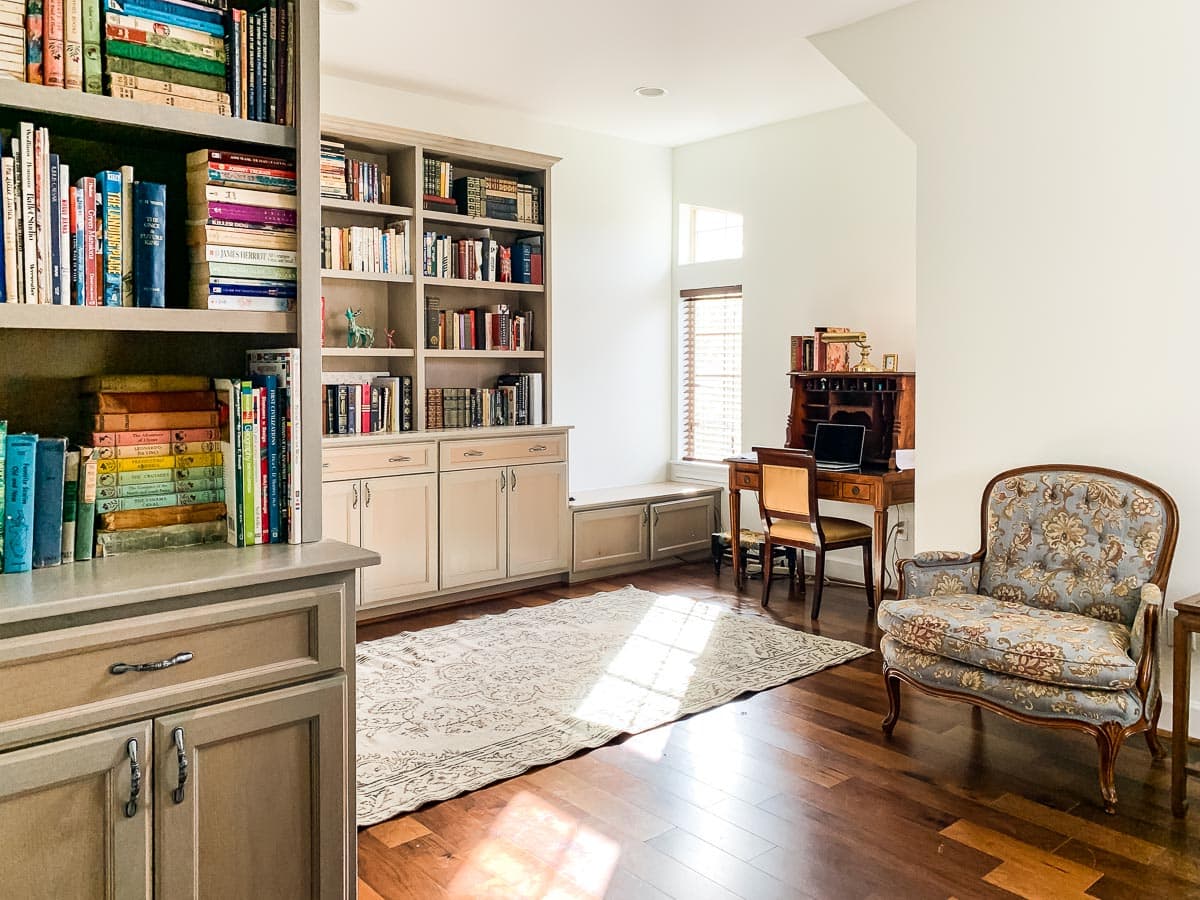
Maintenance and Longevity
To keep your alabaster walls with pure white trim looking fresh, dust regularly and spot-clean with mild soap. Avoid harsh chemicals that could dull the finish. Touch-ups are straightforward with stored paint samples.
The longevity comes from quality materials—low-VOC paints resist yellowing. In humid climates like Pakistan’s coastal areas, opt for moisture-resistant formulas to prevent peeling.

FAQs
What is the difference between alabaster and pure white? Alabaster is a warmer off-white with subtle undertones, while pure white is cooler and brighter, making it ideal for trim to create contrast.
Can I use this in small rooms? Absolutely! The light colors make spaces feel larger and more open.
What furniture colors go with alabaster walls? Neutrals like beige, gray, or wood tones work best, but pops of color like navy or green add interest.
Is alabaster good for exteriors? Yes, but ensure it’s an exterior-grade paint for weather resistance.
How does lighting affect this combo? Natural light enhances warmth; LED bulbs in warm white mimic this indoors.
Final Words
Embracing alabaster walls with pure white trim is more than a design choice—it’s an investment in a home that feels eternally fresh and welcoming. This elegant pairing adapts to your lifestyle, offering endless styling possibilities while maintaining a sophisticated edge. Whether you’re in a bustling city like Karachi or elsewhere, give this timeless look a try; it might just become your favorite canvas for living.