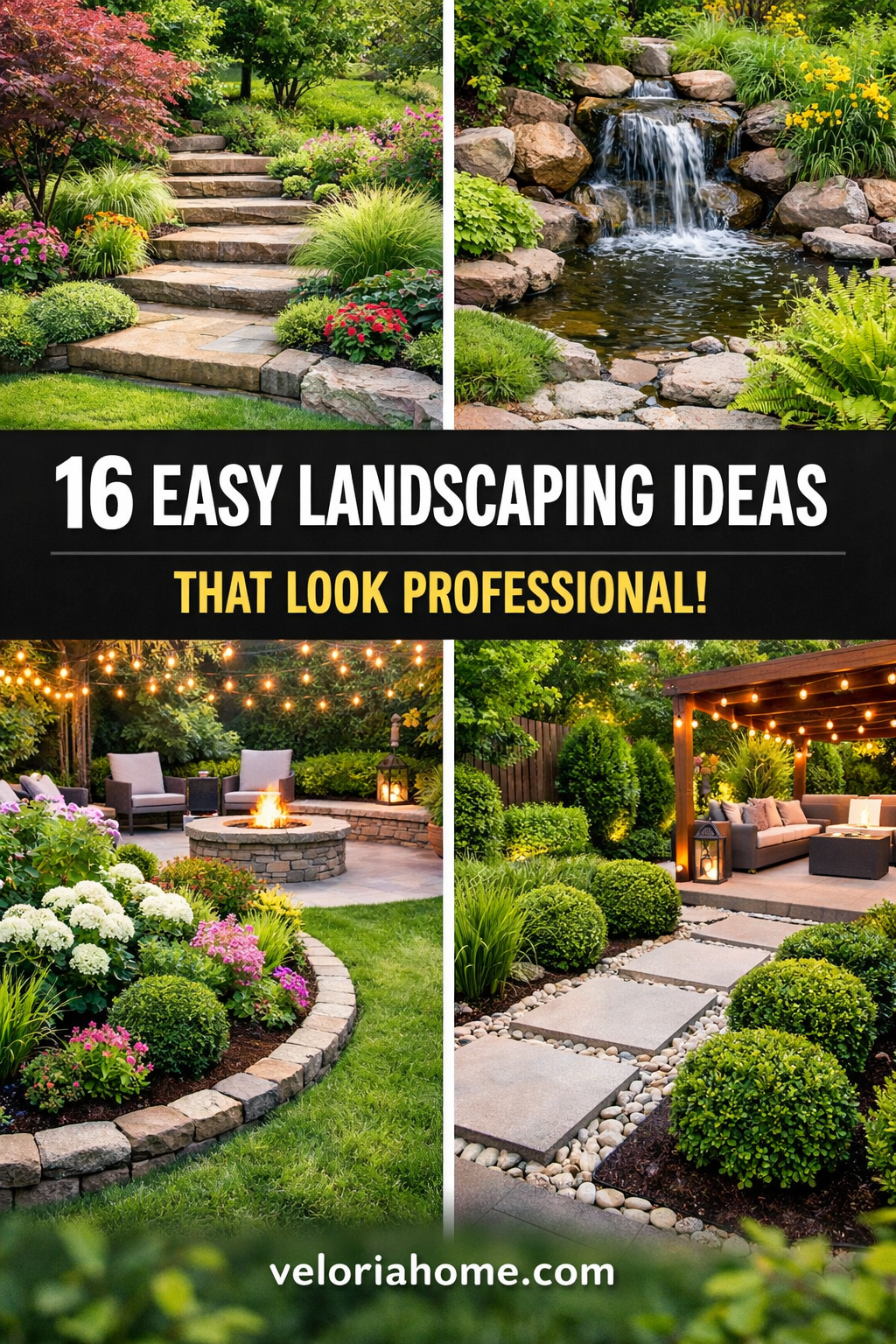
16 Easy Landscaping Ideas That Look Professional
A beautiful, well-maintained yard can significantly enhance your home’s curb appeal and create a welcoming outdoor space. Many homeowners believe that achieving a professional look requires a massive budget and a team of experts. However, this is far from the truth. With a bit of planning and some clever strategies, you can achieve stunning results yourself. This guide explores easy landscaping ideas that deliver a polished, high-end appearance without the complexity or cost.
Transforming your outdoor space is an achievable goal. The key to success lies in choosing projects that offer a big impact for a reasonable amount of effort. This approach to easy landscaping focuses on smart design principles and low-maintenance solutions. You can create a yard that looks like it was designed by a pro, all while enjoying the process. We will walk you through 16 actionable ideas, provide answers to common questions, and leave you with the confidence to get started.
Creating Your Professional-Looking Yard
Achieving a professional aesthetic is about more than just planting flowers. It involves creating structure, defining spaces, and using color and texture thoughtfully. These 16 ideas are designed to be simple to implement and will help you build a cohesive and attractive landscape.
1. Define Garden Beds with Crisp Edging
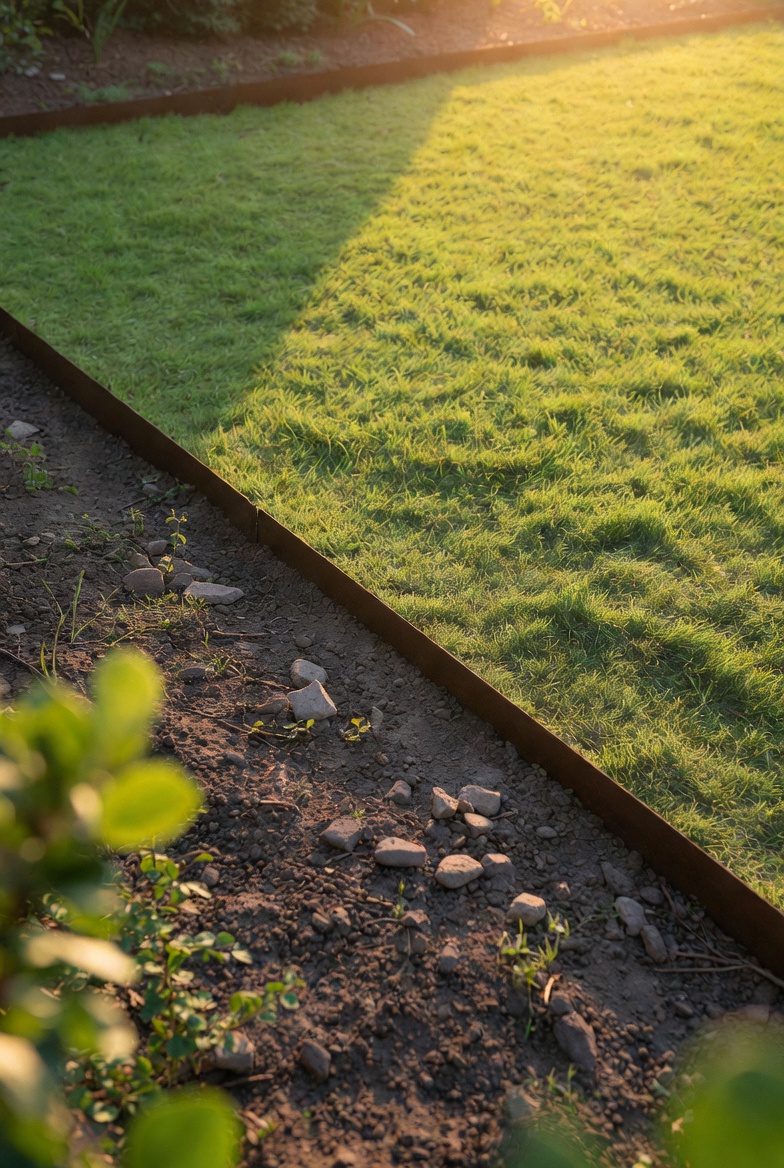
One of the quickest ways to make your yard look neat and intentional is by creating clean edges for your garden beds. Edging separates your lawn from your flower beds, preventing grass from creeping in and creating a sharp, defined line. You can use materials like metal, brick, stone, or even a simple trench edge. This small detail provides instant structure and is a cornerstone of easy landscaping with a professional touch.
2. Group Plants in Threes or Fives
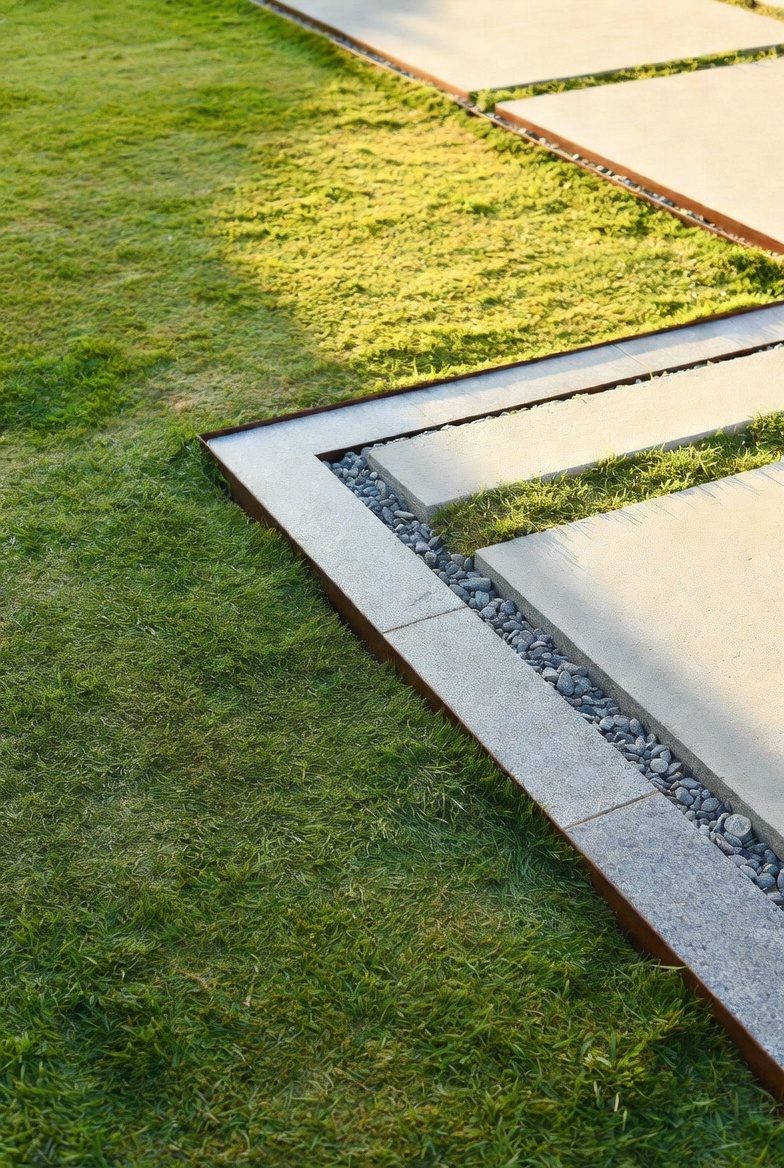
When planting, avoid placing single plants randomly. Instead, group them in odd numbers, such as threes or fives. This technique, often used by professional designers, creates a more natural and visually appealing arrangement. It allows plants to grow together into a cohesive mass of color and texture, making a much stronger statement than scattered individual specimens.
3. Plant Perennials for Long-Term Beauty
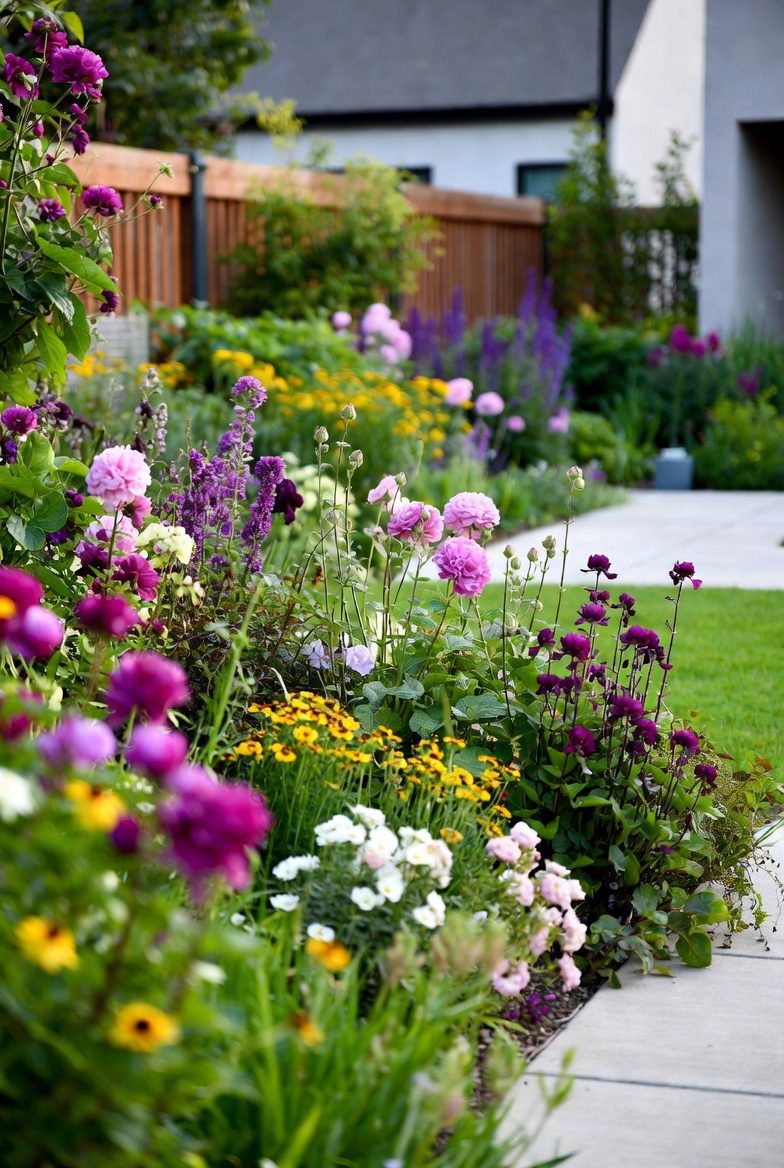
While annuals offer a burst of seasonal color, perennials are the workhorses of a low-maintenance garden. These plants return year after year, saving you time and money. Choose a variety of perennials that bloom at different times throughout the seasons to ensure your garden always has something interesting to see. Hostas, daylilies, and coneflowers are popular and resilient choices for easy landscaping.
4. Use Mulch to Unify and Protect
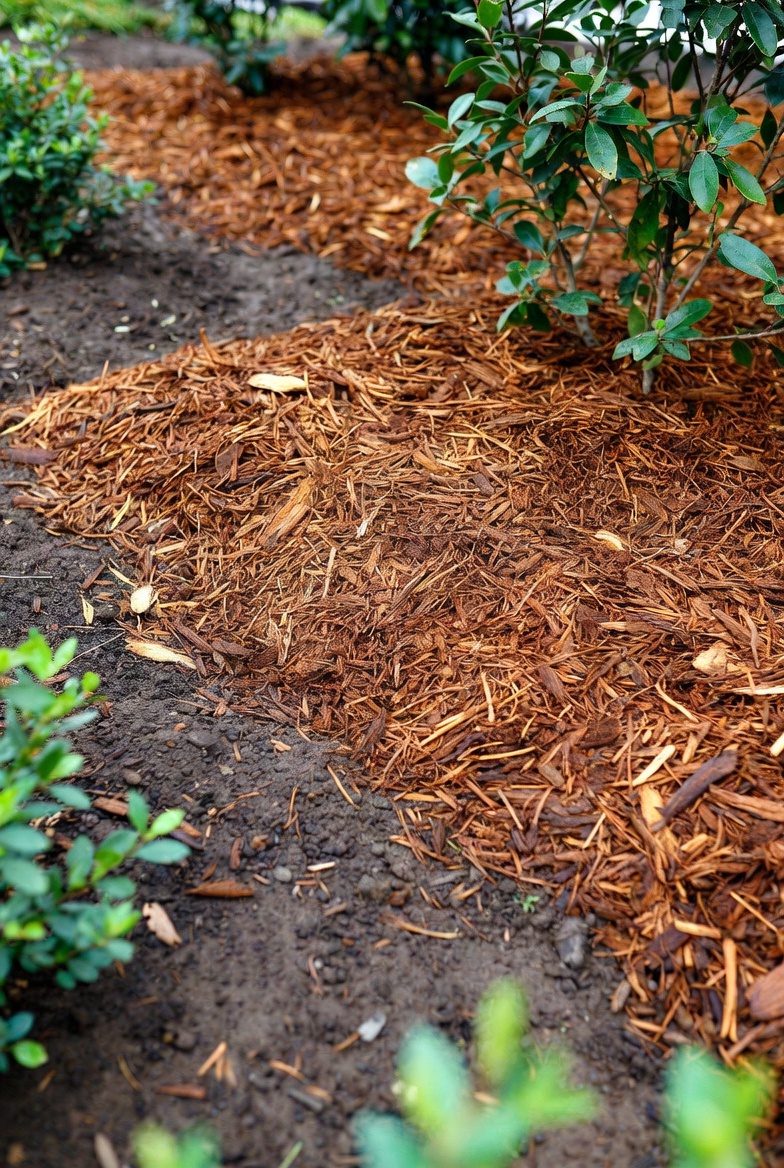
Mulch is a landscaper’s best friend. Applying a fresh layer of mulch to your garden beds instantly makes the space look clean and well-cared-for. It also offers practical benefits by suppressing weeds, retaining soil moisture, and regulating soil temperature. Choose a color and texture that complements your home’s exterior, such as dark brown bark or black wood chips, for a sophisticated look.
5. Create a Winding Path
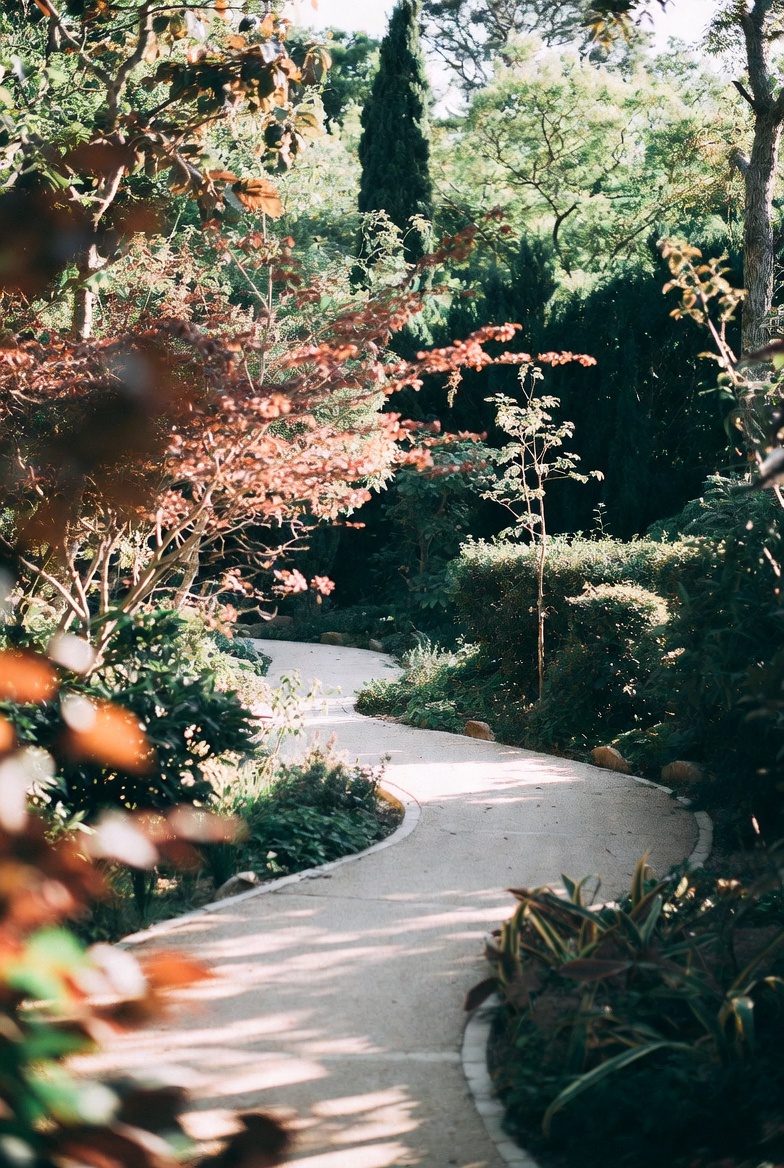
A pathway invites exploration and guides the eye through your landscape. Instead of a straight, rigid path, consider a gently curving one. A winding path made from stepping stones, gravel, or brick pavers adds a sense of mystery and makes your yard feel larger. This simple design element adds elegance and function, directing foot traffic and protecting your lawn.
6. Add Vertical Interest with Trellises
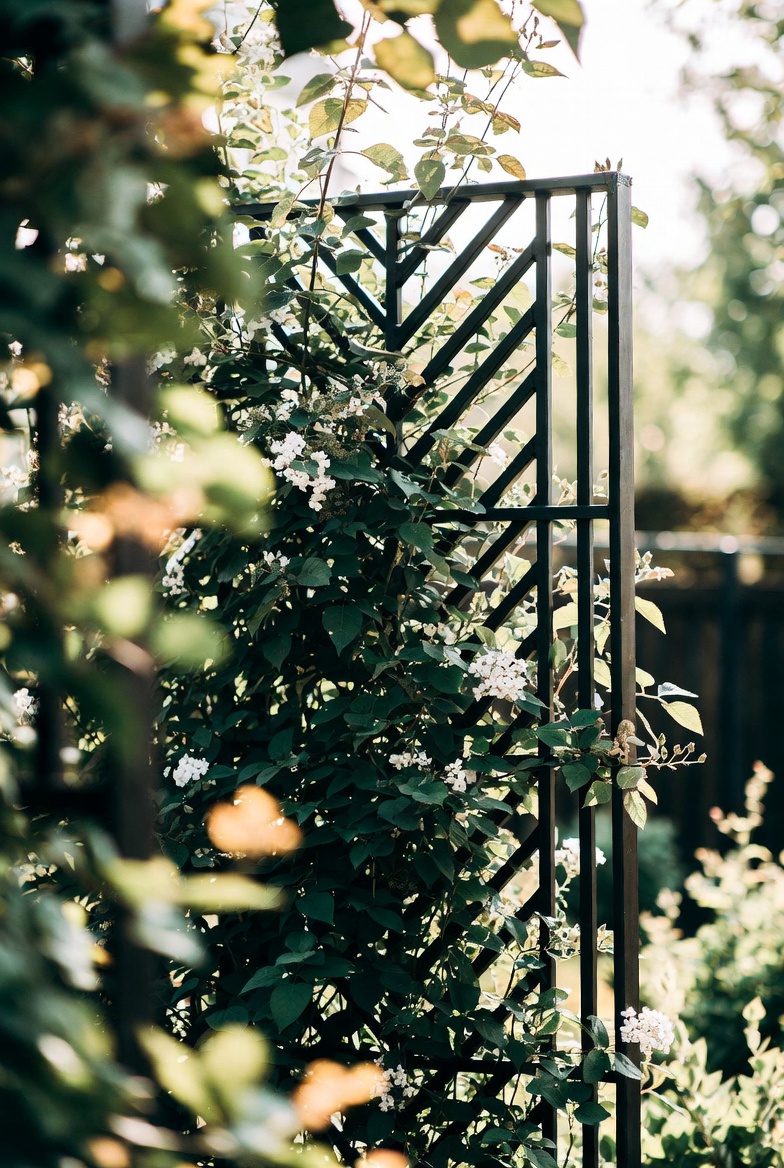
Landscaping isn’t just about what’s on the ground. Drawing the eye upward adds dimension and drama to your yard. You can achieve this by installing trellises or arbors for climbing plants like clematis, wisteria, or climbing roses. These structures add height and can also serve to screen unsightly views or create a charming entryway to a part of your garden.
7. Install Solar-Powered Landscape Lighting
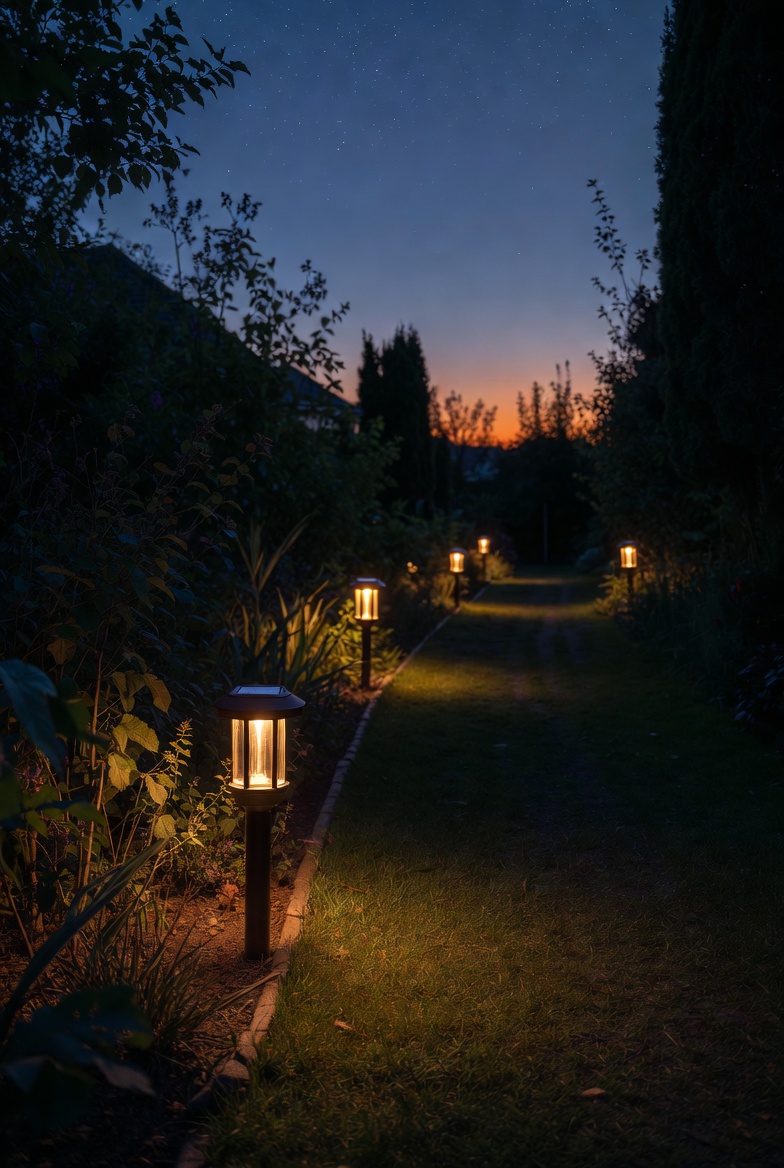
Good lighting can transform your yard after the sun goes down, highlighting key features and creating a warm, inviting ambiance. Modern solar-powered lights are an excellent option for easy landscaping. They are simple to install—no wiring required—and are energy-efficient. Use them to illuminate pathways, uplight trees, or accent architectural features of your home.
8. Incorporate Low-Maintenance Shrubs
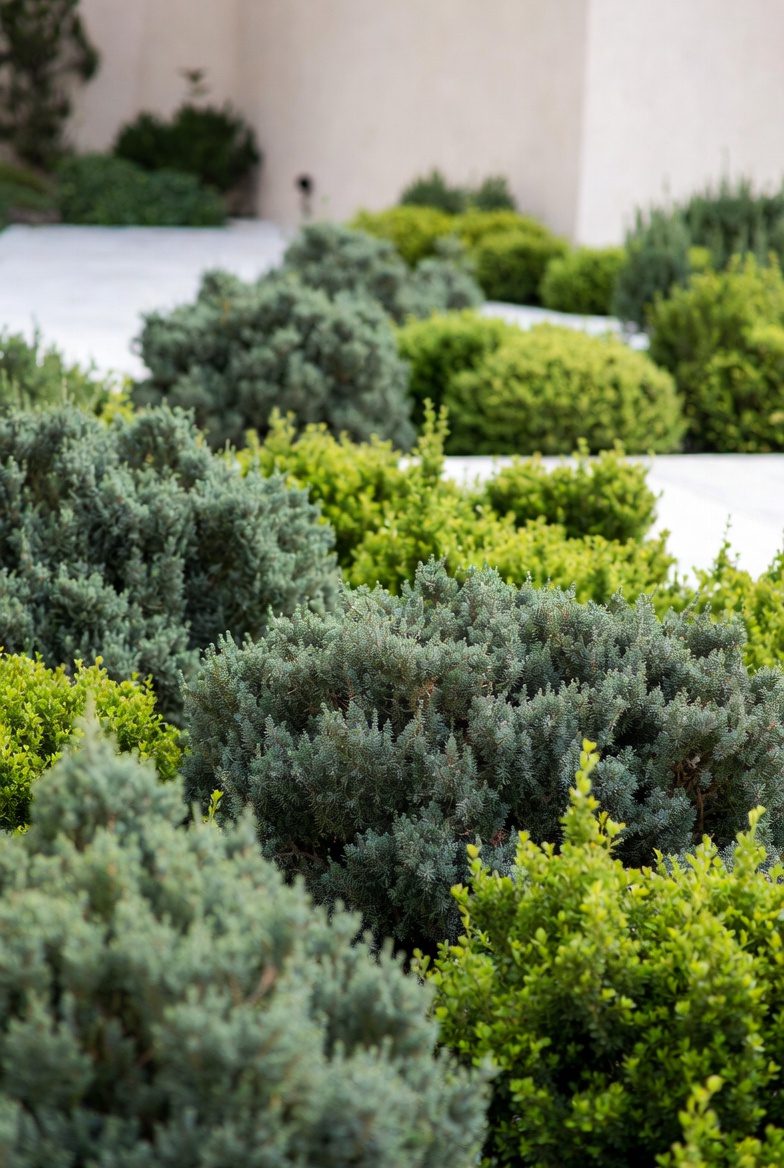
Shrubs provide structure and year-round interest. Look for evergreen varieties like boxwood or holly to maintain a green presence even in winter. Many flowering shrubs, such as hydrangeas or spireas, offer beautiful blooms with minimal care. Using a mix of evergreen and deciduous shrubs creates a layered, dynamic landscape.
9. Create a Focal Point
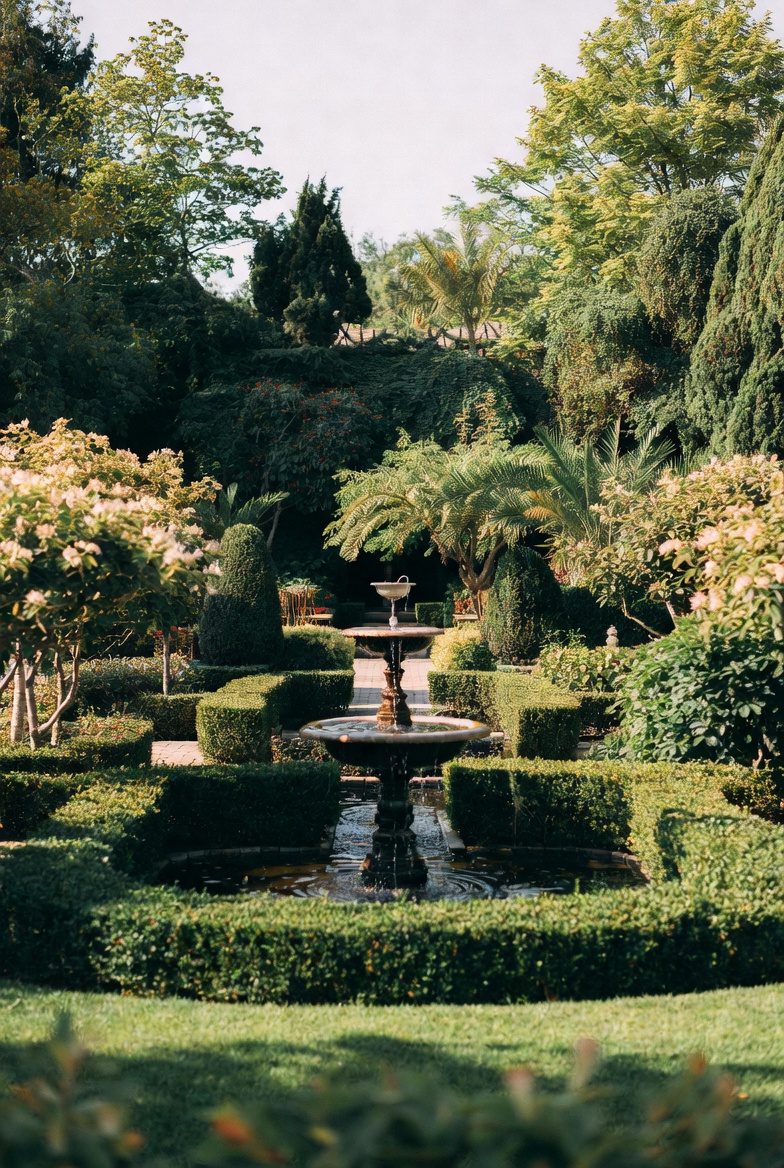
Every great design has a focal point that draws attention and anchors the space. This could be a small water feature, a beautiful sculpture, a specimen tree with unique bark or shape, or even a brightly colored bench. Placing a focal point strategically gives your landscape a sense of purpose and a professional, composed feel.
10. Use Containers and Planters Strategically
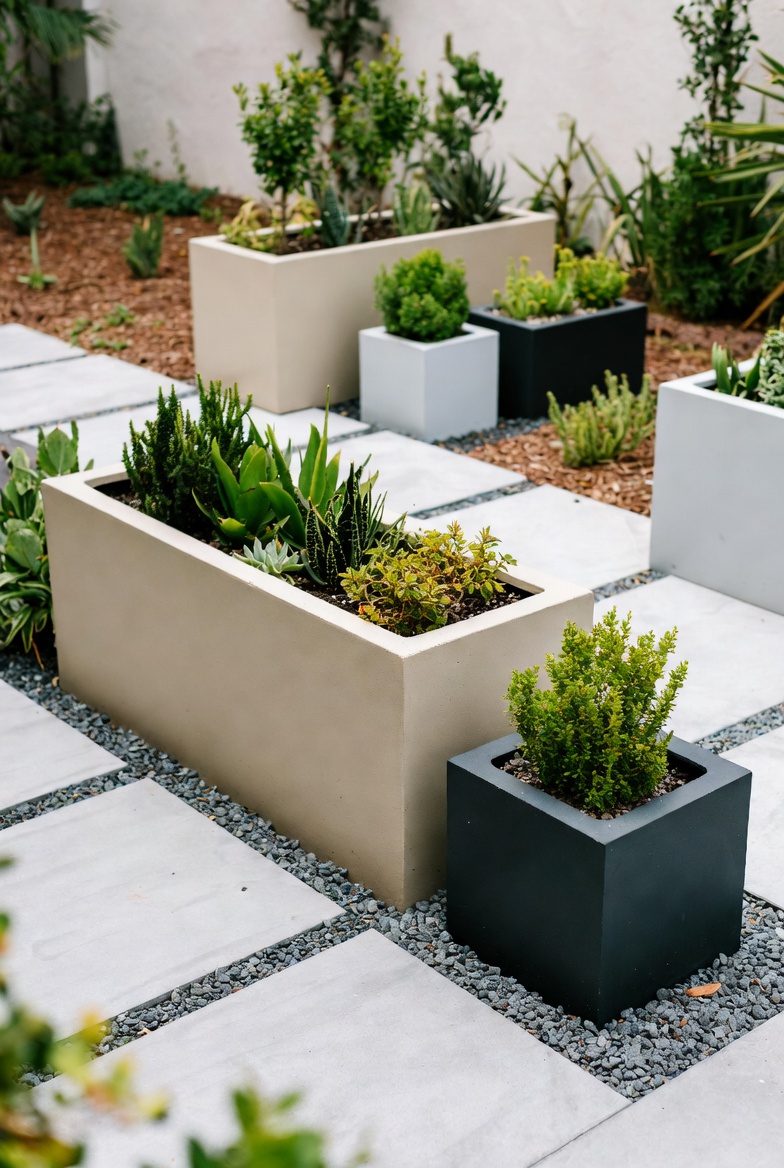
Container gardening is a versatile and easy landscaping technique. Use large, elegant planters to frame an entryway or add a pop of color to a patio. Grouping several pots of varying sizes but similar styles can create a stunning display. This method is perfect for small spaces and allows you to easily change out plants with the seasons.
11. Hide Utility Boxes and AC Units
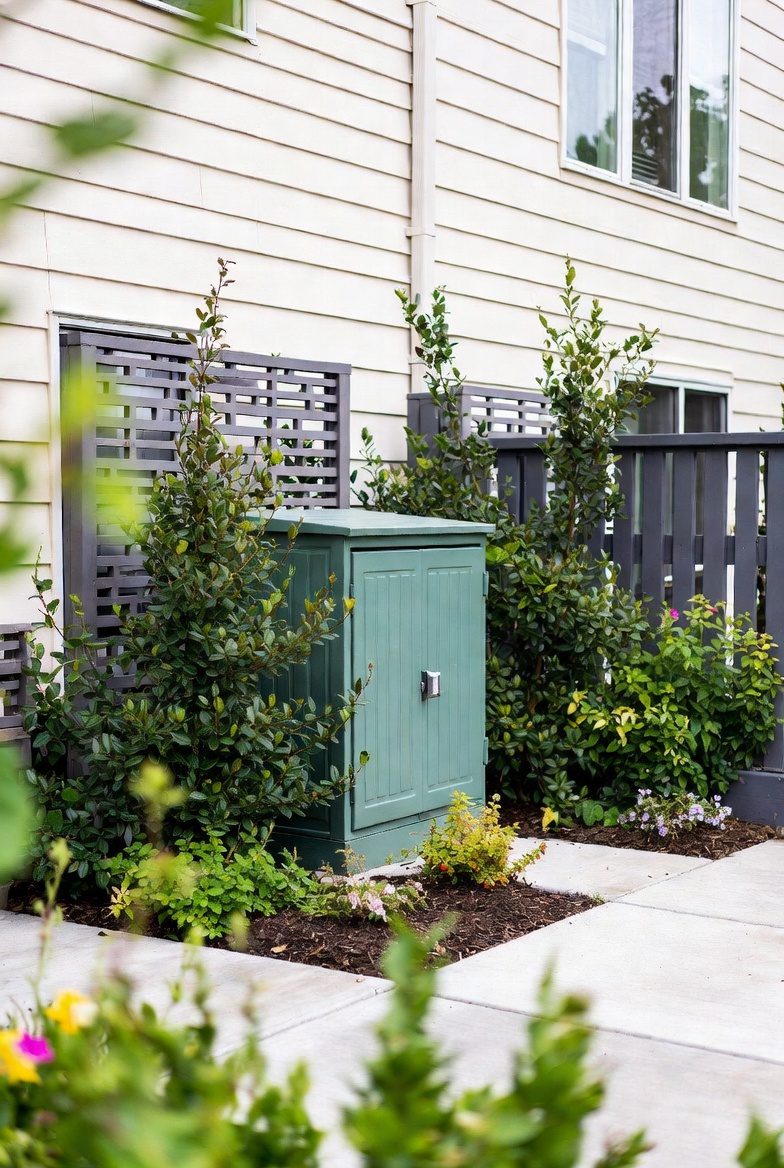
Unsightly utility boxes, trash cans, or air conditioning units can detract from an otherwise beautiful yard. A simple and attractive solution is to hide them with a decorative screen or a strategically placed trellis with climbing plants. You can also plant a hedge of tall, narrow shrubs like arborvitae to create a living wall that conceals these elements.
12. Choose a Simple Color Palette
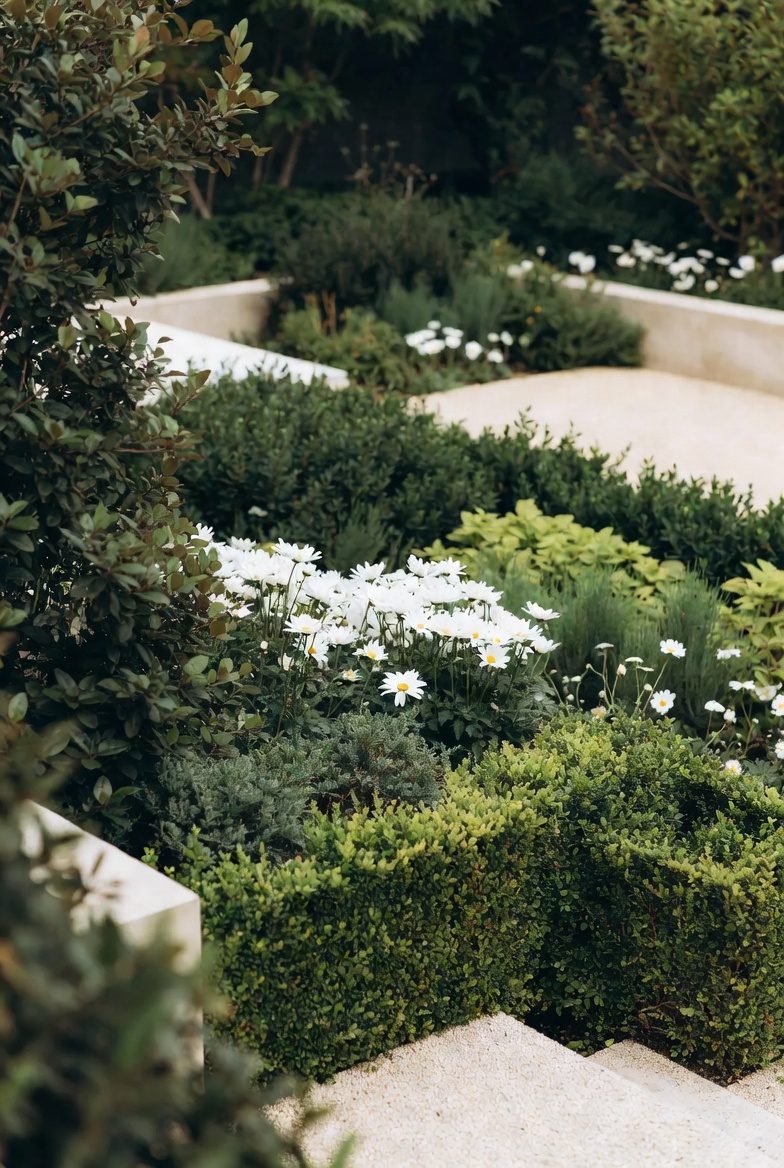
While a rainbow of colors can be fun, a more limited color palette often looks more sophisticated and professional. Choose two or three complementary colors and repeat them throughout your landscape. For example, you could pair purple and yellow flowers with deep green foliage. This repetition creates a sense of harmony and visual rhythm.
13. Add Texture with Ornamental Grasses
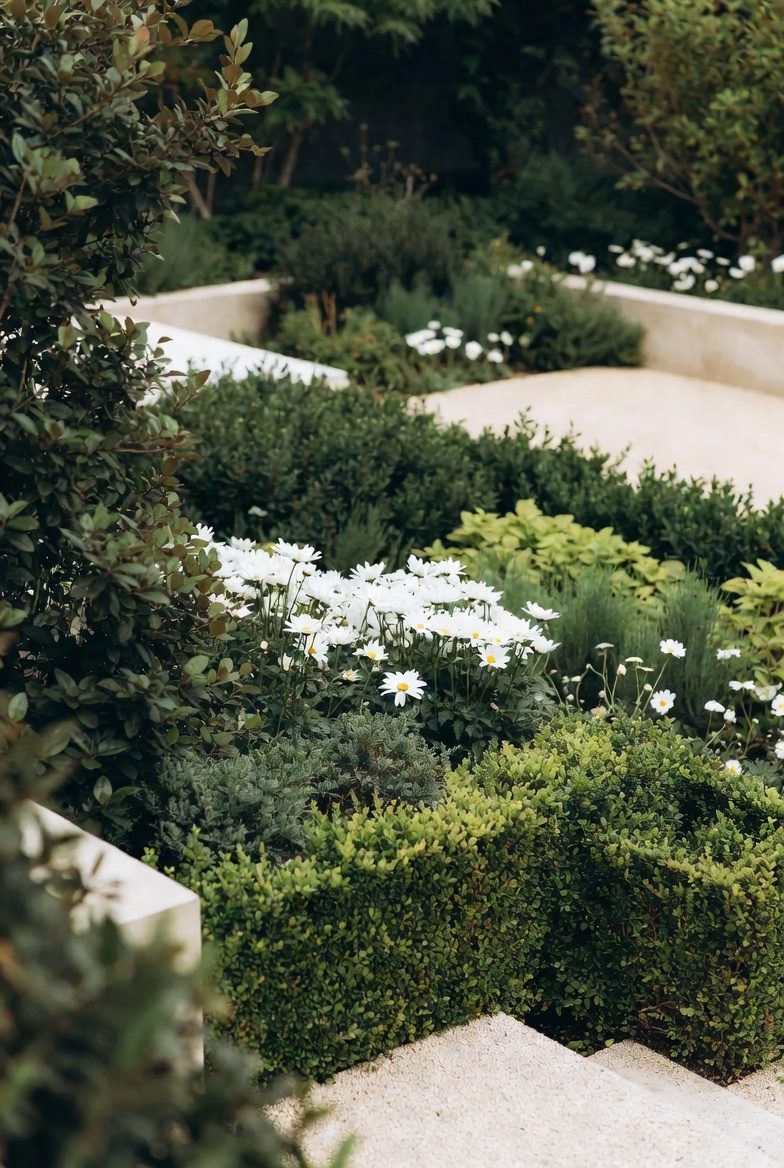
Ornamental grasses are a fantastic choice for modern, easy landscaping. They add texture, movement, and sound to the garden as they rustle in the wind. Many varieties are drought-tolerant and require very little maintenance once established. Grasses like Fountain Grass or Blue Fescue can soften hard edges and provide year-round visual interest.
14. Create an Outdoor Seating Area
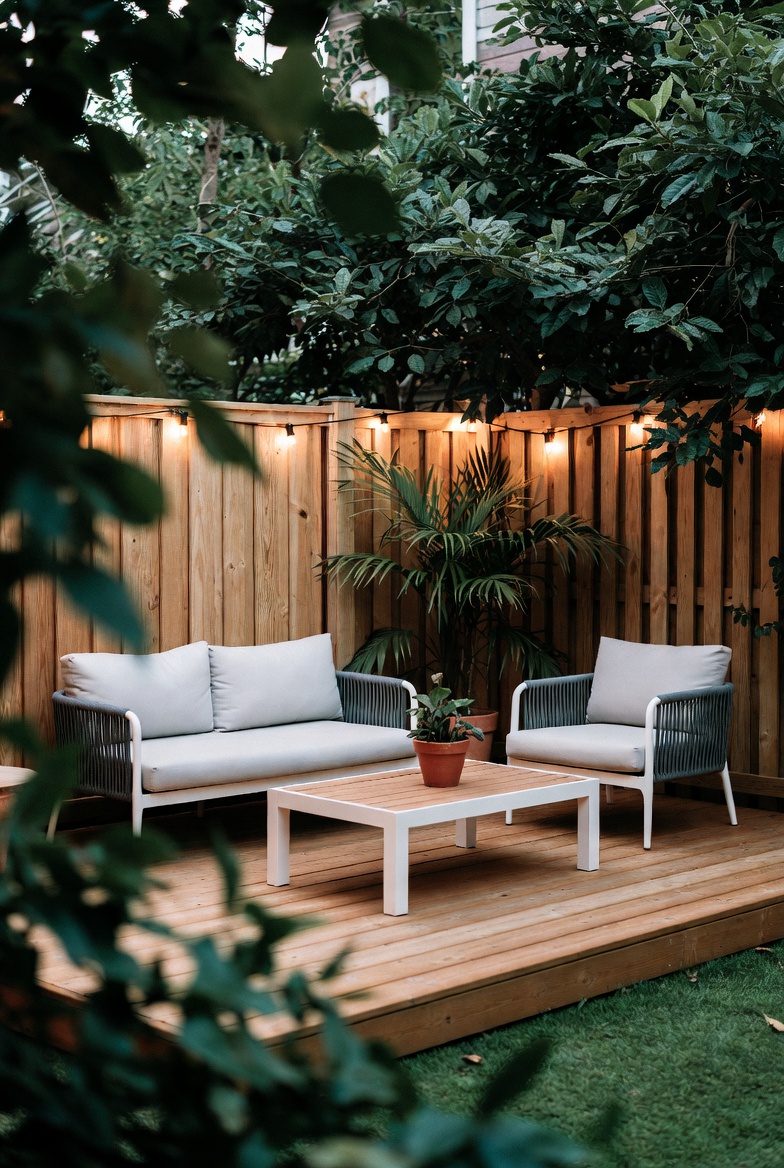
A landscape should be enjoyed, not just admired. Create a simple seating area to serve as a destination within your yard. A small bistro set under a tree or a bench along a garden path invites you to sit and relax. This functional addition makes your outdoor space more usable and appealing.
15. Maintain a Healthy, Green Lawn
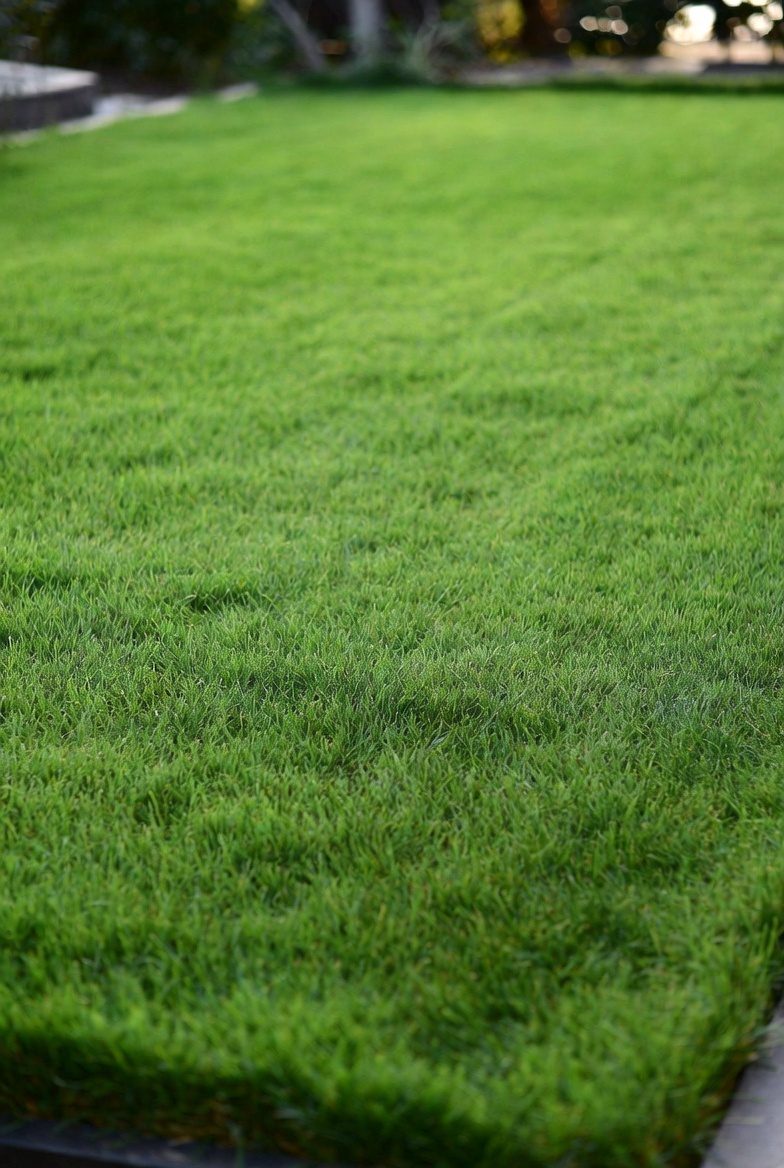
A lush, green lawn is the canvas for your landscape. Proper care is essential. This doesn’t have to be complicated. Regular mowing at the correct height, appropriate watering, and fertilizing a few times a year can keep your lawn healthy and vibrant. A well-tended lawn makes all the other elements of your landscaping look even better.
16. Use Groundcover in Difficult Areas
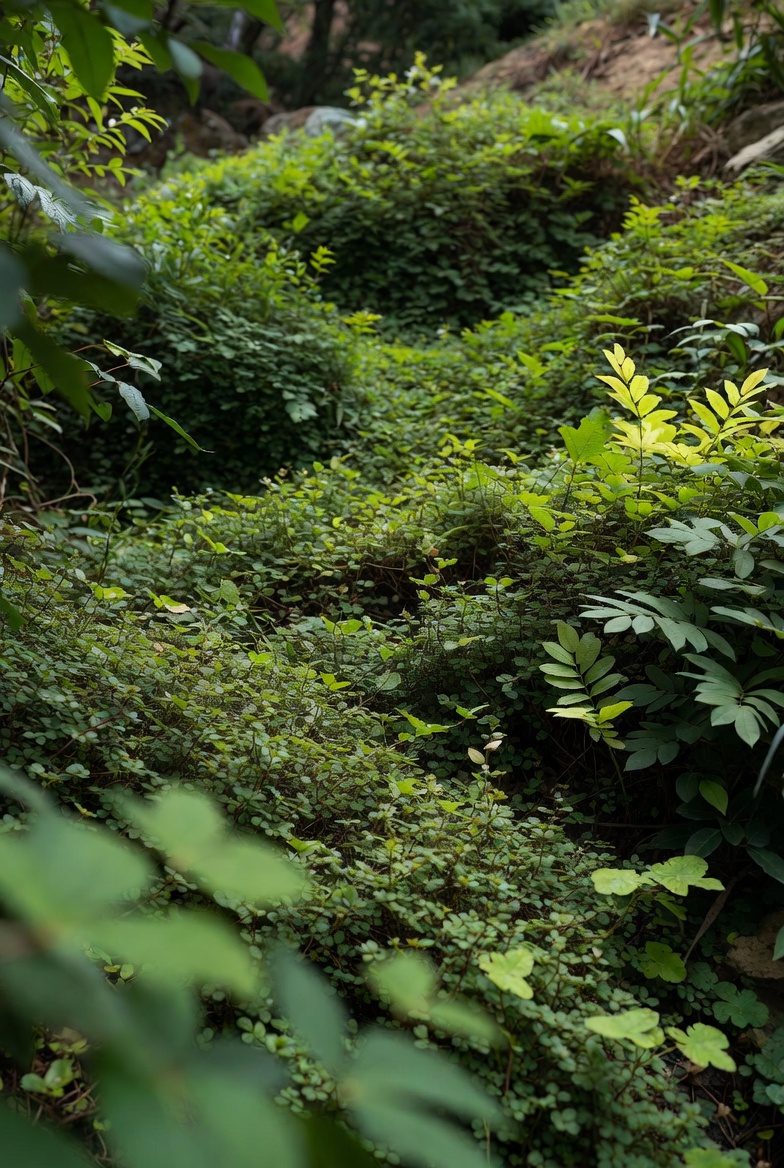
Some areas of a yard are difficult for grass to grow, such as deep shade under trees or on steep slopes. Instead of struggling with a patchy lawn, use low-maintenance groundcover plants. Varieties like Pachysandra, Vinca, or Creeping Jenny will quickly fill in these challenging spots, creating a lush carpet of green that suppresses weeds and requires little care.
FAQs About Easy Landscaping
What is the easiest way to start landscaping a yard?
The easiest way to start is by cleaning up and decluttering. Remove weeds, dead plants, and any debris. Then, focus on defining your garden beds with clean edging and applying a fresh layer of mulch. These two simple steps will make a huge immediate impact.
How can I make my landscaping look expensive on a budget?
Focus on projects that give the most visual return. Crisp edging, a fresh layer of dark mulch, and grouping plants in threes or fives are all low-cost ideas that mimic professional designs. Also, installing solar landscape lighting can add a high-end feel for a minimal investment.
What are the best low-maintenance plants for easy landscaping?
Perennials and native plants are your best bet. Perennials like hostas, daylilies, and sedum come back every year. Native plants are adapted to your local climate and typically require less water and fertilizer. Low-maintenance shrubs like boxwood, spirea, and certain varieties of hydrangea are also excellent choices.
How often should I mulch my garden beds?
For the best appearance and weed control, you should aim to apply a fresh layer of mulch once a year, typically in the spring. This will refresh the color and replenish any mulch that has decomposed or washed away.
Final Words
Creating a professional-looking landscape doesn’t need to be an intimidating or expensive endeavor. By focusing on fundamental design principles and choosing easy landscaping projects, you can achieve remarkable results. The key is to build a strong foundation with clean lines, healthy plants, and well-defined spaces.
Start with one or two of the ideas from this list, such as defining your garden beds or adding a focal point. As you see the positive changes, you will gain the momentum and confidence to tackle more. Remember that a beautiful yard is a journey, not a destination. With these tips, you are well-equipped to create an outdoor space that is both stunning and a true extension of your home.